
When you try to build a better workout routine, you might wonder whether you should focus more on cardio or strength training. Both have their place, and for most people, the best results come from finding a balance between the two.
Achieving the right balance will depend on your fitness goals, weekly schedule and current fitness level. Someone training for endurance may include more cardio workouts, while someone focused on building muscle may prioritise weight training or resistance training. For general fitness, a mix of both is usually the most effective approach.
In this guide, we’ll look at the difference between cardio and strength training, how each can benefit the body, and how to balance them in your weekly routine in a way that feels sustainable for maximum results.
At Bluecoat Sports, our state-of-the-art gym facilities and team of personal trainers can help you build a routine that supports your goals and fits comfortably into your week. Ready to become a member? Speak to reception on 01403 247572.
What is cardio training?
Cardio training (also known as cardiovascular or aerobic exercise) involves exercise that keeps your heart and lungs working harder for a sustained period, helping improve stamina, breathing, and overall cardiovascular fitness.
Common cardio exercises include:
- Brisk walking
- Running
- Cycling
- Swimming
- Rowing
- Fitness classes
- High-intensity interval training
Regular cardiovascular training can also help manage blood pressure and improve overall fitness as part of a balanced routine. In a weekly workout schedule, cardio is often used to support endurance and energy levels.
What is strength training?
Strength training is a form of exercise that challenges your muscles against resistance. This could mean using weight machines, free weights, resistance bands, bodyweight exercises or other weight-bearing exercises. The goal is not simply to lift heavy or add more weight every session; good strength training is about using proper form, moving well and gradually building strength in a controlled way.
The main benefits of this type of training can include building muscle, increasing lean muscle mass, improving muscular endurance and supporting bone health. Over time, building and maintaining muscle can also support body composition and contribute to a healthy metabolism.
As part of a balanced weekly routine, strength training can support posture, control, muscle power, and long-term progress.
Comparing cardio vs strength training
When comparing cardio and strength training, the main difference lies in how each type of exercise challenges the body. Both can support overall health, weight management and long-term fitness, but in different ways.
| Focus area | Cardio training | Strength training |
| How it works | Raises your heart rate and breathing | Challenges your muscles against resistance |
| Main fitness benefit | Supports stamina, endurance and cardiovascular health | Builds strength, control and lean muscle tissue |
| Common examples | Running, cycling, rowing, swimming and classes | Weight training, machines, bands and bodyweight exercises |
| Body composition | Can help you burn calories during the session | Can support muscle growth, posture and bone health |
| Everyday benefit | Useful for heart health, energy levels and fitness | Useful for movement, stability and a healthy metabolism |
If you are choosing between cardio or strength training, the best answer for most people is usually both. Cardio workouts help you move for longer, while strength training helps you feel stronger.
How to balance cardio and strength training for maximum results
Once you have a clear understanding of how cardio and strength training support the body differently, the next step is deciding how both can fit into your week.
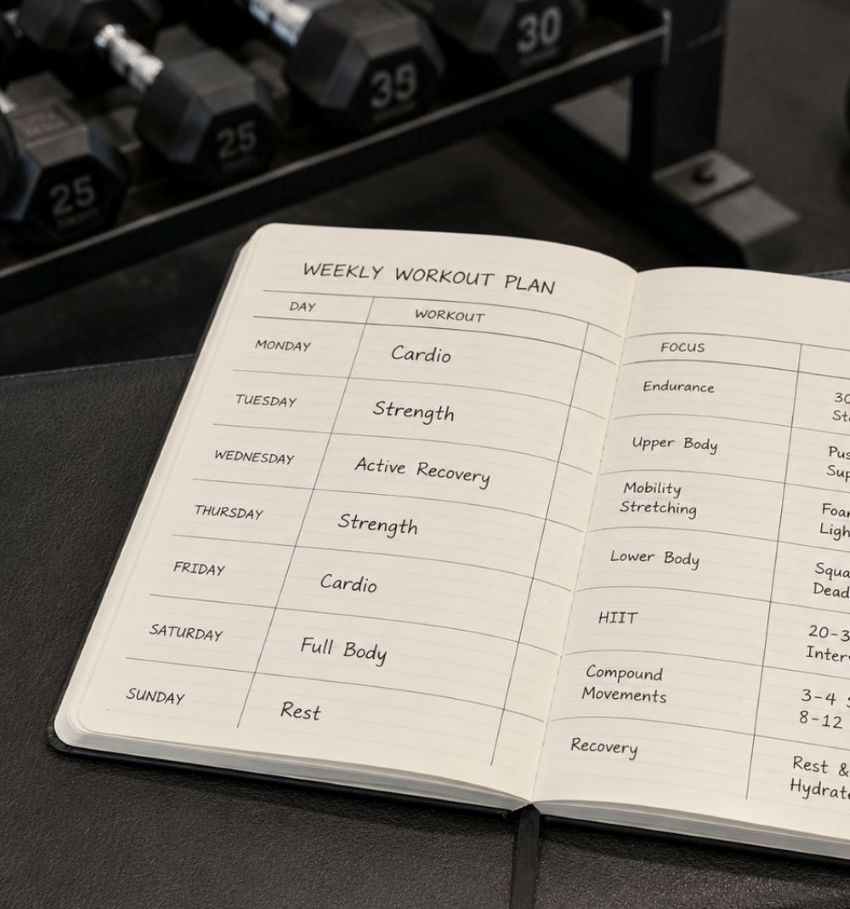
Start with what you want to achieve
Your routine should reflect your main goal. For general fitness, a mix of cardio and strength training throughout the week is usually a good approach, as it supports both stamina and strength.
If your aim is to improve endurance, you may include slightly more cardio workouts. If your focus is building muscle, weight training or resistance training may take priority, with some cardio included to support overall fitness.
Be realistic about your weekly routine
A routine with two or three consistent sessions is often more effective than planning five workouts you struggle to maintain.
Once you know how many days you can realistically train, consider what each session should achieve. For example, one session might focus on cardio, another on strength training, and another could combine both in a manageable way.
Make each workout count
To get the most from your weekly routine, try to:
- Include both cardio and strength training where possible
- Give each session a clear focus, such as stamina, strength, recovery or consistency
- Space out harder sessions, especially heavy weight training or high-intensity cardio
- Consider intensity as well as workout type, so harder sessions are balanced with easier ones
- Avoid making every workout high intensity
This helps you create a workout routine that feels purposeful, balanced and easier to maintain over time.
Allow time for recovery
Recovery is an important part of getting results, especially when your week includes both cardio and strength training. Harder sessions place more demand on the body, so it helps to give yourself time to rest and adapt.
For example, if you’re new to training, an intense cardio session followed closely by heavy lower-body strength training may feel like too much at once.
Spacing harder sessions farther apart can help you train with better energy, maintain proper form and reduce tiredness, making your routine easier to sustain over time.
Avoid overloading similar muscle groups
When planning your week, think about which areas of the body each workout uses most. This is especially helpful if you’re combining cardio and strength training across several days.
For example, running, cycling and lower-body weight training can all challenge your legs, even though they are different types of exercise. Spreading these sessions out can help reduce fatigue, support better movement and make each workout feel more productive.
Overall, this helps your routine feel more balanced, without asking the same muscles to work hard every session.
How to adjust your weekly routine for your goals
Once you have the basics in place, you can adjust the balance of cardio and strength training depending on what you want to achieve. The examples below are general starting points, and the right approach will depend on your fitness level, experience, recovery and any specific health considerations.
| Your goal | How your routine might shift |
| General fitness | Aim for a balanced mix of cardio exercises and strength training to support stamina, strength, mobility and confidence. |
| Weight management | Cardio workouts may help increase calorie burn, while strength training can help build maintain lean muscle mass. A balanced diet, regular movement and recovery also play an important role. |
| Building muscle | You may place more focus on resistance training, free weights, weight machines or bodyweight exercises, with moderate cardio included to support overall fitness. |
| Improving endurance | You may include more cardiovascular exercise, such as steady cardio workouts, running, cycling or classes, while using strength training to support the legs, core, posture and control. |
| Feeling healthier and more energised | Keep it manageable with a mix of moderate-intensity cardio, full-body strength training and lighter movement. |
Your routine does not have to stay the same as you progress and your goals shift. If you are unsure how to structure your week, a qualified fitness professional can help you find a suitable balance for your current ability, goals and recovery needs.
Should you do cardio or strength training first?

There is no single right order. It depends on your main goal for that session. If your goal is to build muscle or strength, start with strength training when your energy and focus are highest. If your focus is improving stamina, endurance or cardiovascular fitness, start with cardio training instead.
For general fitness, either order can work. If you combine both in one workout, avoid making either part too intense, as heavy weightlifting followed by high-intensity interval training can be difficult to recover from.
If you’re new to exercise, returning after injury or managing a health condition, it is worth speaking to a qualified fitness professional or healthcare provider before making significant changes to your routine.
Summary
When it comes to cardio vs strength training, the best results usually come from finding the right balance for your goals. Cardio can support stamina, cardiovascular health and endurance, while strength training helps build strength, support muscle mass and improve everyday movement.
To maximise results, focus on creating a weekly routine that feels realistic, purposeful and sustainable. By combining cardio and strength training, spacing out harder sessions and allowing time for recovery, you can keep making progress without doing too much too soon.
Build a balanced fitness routine at Bluecoat Sports
At Bluecoat Sports, you can combine gym workouts, cardio training, strength training, fitness classes and expert support to create a weekly routine that works for you.
Whether you are new to exercise, returning after a break or looking to improve your current routine, our facilities can support a mix of cardio workouts, weight training, resistance training and functional movement.
For more information about our facilities, including our new athletics track, or to find out how our team can help, please contact us, and we’ll be happy to answer your questions.
Frequently Asked Questions
How do I balance cardio and strength training in a week?
Start with your main goal, choose a realistic number of sessions, include both cardio and strength training, and leave enough time for recovery between harder workouts.
Can I do cardio and strength training on the same day?
Yes, you can do cardio and strength training on the same day. If one goal matters more, do that part first while your energy levels are higher.
How do I know if my routine is balanced?
A balanced routine should help you feel fitter and stronger without leaving you constantly exhausted. It should include variety, recovery and sessions you can maintain consistently.