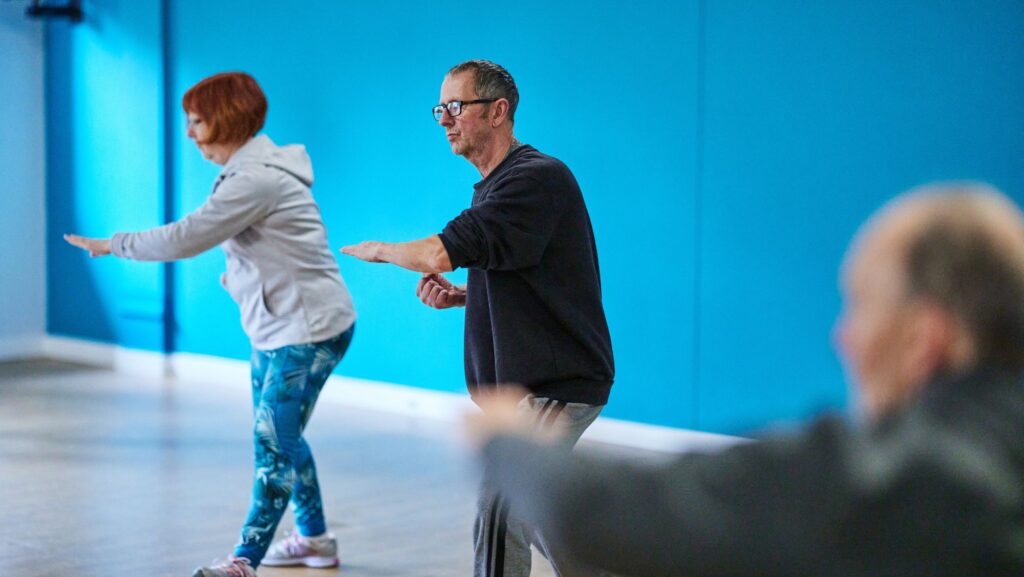
If you’ve ever felt put off by high-intensity workouts, worried about joint pain, or struggled to stick to a workout routine that feels manageable long-term, incorporating low-impact exercises may be the solution. They are among the most effective ways to stay active, improve cardiovascular fitness, build muscle strength, and support long-term well-being, while placing less strain on your joints. They’re also sustainable, adaptable, and suitable for almost every stage of your fitness journey.
Whether you’re just starting out, returning after time off, or looking for a more joint-friendly approach, we’ll explore what low-impact exercises involve, why they work, their long-term role in fitness, and how you can get the most out of them.
At Bluecoat Sports, our members benefit from a modern, well-equipped gym in Horsham. Offering both indoor and outdoor training options, it’s a welcoming environment to try out what works best for you. Learn more about our range of memberships and meet our personal trainers who can create tailored plans to help you reach your fitness goals.
What are low-impact workouts?
Low-impact workouts are exercises where one foot usually remains on the ground, or when movement is supported in a way that reduces pressure on your joints. This helps avoid significant strain through the ankles, knees, hips, and spine, while still challenging your muscles, heart, and lungs.
Examples of low-impact exercises include:
- Walking and incline walking
- Cycling or using a stationary bike
- Swimming and aqua-based exercise
- Yoga, Pilates, and Tai Chi
- Elliptical training and rowing
- Bodyweight exercises performed with control
Importantly, low impact doesn’t mean low intensity. You can still work at a moderate intensity (or use gentle interval training) to raise your heart rate, improve cardiovascular fitness, support blood pressure, and burn calories, all without putting your body under unnecessary stress.
How gentle movement boosts long-term wellbeing
Low-impact workouts are a sustainable way to look after your body over time. By reducing unnecessary strain while still challenging your muscles and heart, gentle movement helps you stay active, confident, and capable.
Here’s a look at how they can influence long-term well-being:
Supports consistent and regular training
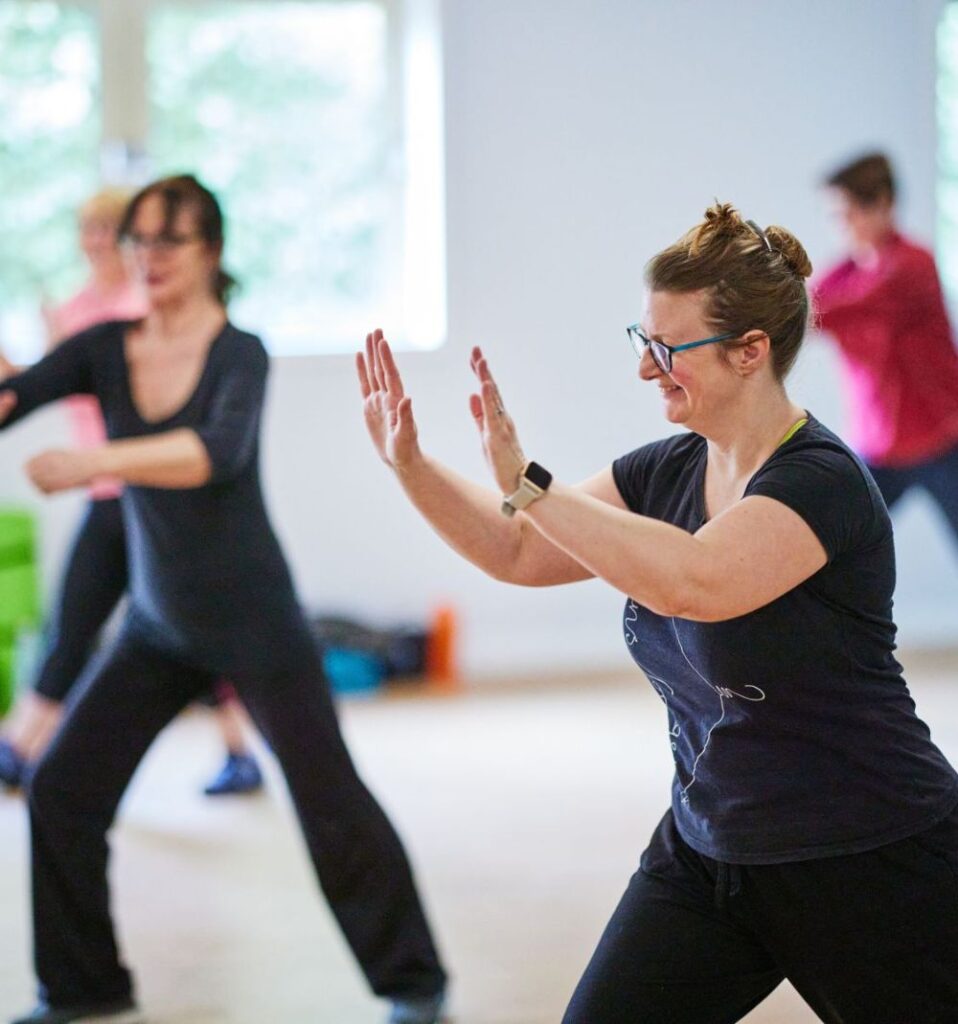
One of the biggest advantages of low-impact workouts is that they’re easier to keep up. As they’re kinder to your joints without holding back results, they’re less likely to leave you feeling overly tired or sore, which makes them easier to fit around work, family, and other commitments.
In contrast, high-intensity workouts that involve jumping, sprinting, or rapid changes of direction (often high-impact exercises) can repeatedly stress the ankles, knees, hips, and spine. When fatigue builds, and form starts to slip, injury risk increases, potentially disrupting your routine.
Low-impact workouts, on the other hand:
- Reduce pressure on your joints
- Limit repeated impact through the feet, hips, and spine
- Help manage knee pain, hip discomfort, and lower back issues
- Support a safer return to exercise after injury
This matters because long-term well-being is shaped by what you can do regularly, not what you manage occasionally. A more manageable approach makes it easier to keep moving during busy or stressful periods, supporting long-term mobility, independence, and quality of life.
Improves health at a comfortable pace
Low-impact cardio activities such as walking, cycling (including a stationary bike), swimming, and rowing can raise your heart rate into a moderate intensity zone. That’s enough to improve aerobic exercise capacity and cardiovascular fitness, while placing less strain on the joints and reducing the “all-out” feeling that some people associate with high-intensity interval training.
It’s thought that regular moderate intensity exercise can:
- Improve blood pressure (including high blood pressure)
- Reduce the risk of heart disease
- Support healthier cholesterol levels, including high cholesterol
- Improve oxygen efficiency and endurance
A key advantage is that you can adjust the pace, resistance, or incline to suit your current fitness level, making low-impact workouts a supportive option if you’re building confidence or returning to exercise.
Builds strength, balance, and confidence
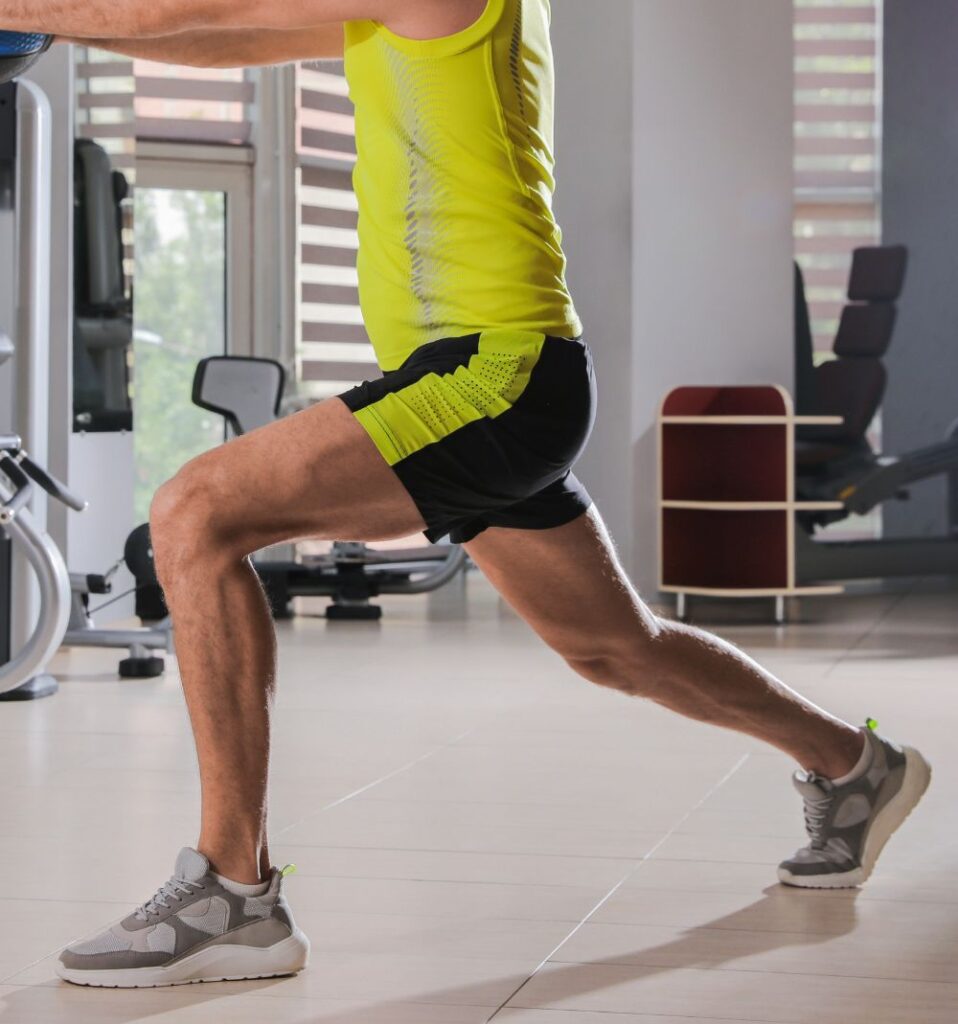
Gentle movement can also be effective at building and maintaining muscle strength, especially when you use controlled bodyweight exercises and simple equipment like resistance bands. Compared with high-intensity workouts, low-impact strength training tends to be slower and more deliberate, focusing on control.
You can build a strong full-body workout using low-impact exercises such as:
- Bodyweight squats (feet hip-width apart, knees bent, chest lifted, weight through the heels)
- Step-back lunges (step the right foot back, then the left foot, working each opposite side evenly)
- A solid plank position (arms straight, body in one line, legs straight)
- Upper body pulls and presses using resistance bands
As these movements start from a clear position and use a full range of motion, they improve balance, coordination, and strength. This carries over into everyday life, from climbing stairs to lifting shopping, helping you feel more stable, capable, and confident in your body.
Supports mental well-being
Low-impact activities often feel calmer and more manageable than high-intensity workouts. As they involve slower, more controlled movement (often paired with steady breathing), they can help lower stress, lift your mood, and support better sleep.
Practices like Yoga and Tai Chi can be especially useful to help you tune into how your body feels, breathe more deliberately, and move with control. Many people find this type of exercise grounding, particularly during busy or stressful periods.
If high-intensity interval training feels overwhelming, or you’ve felt put off by pressured fitness environments, gentle movement can be a more enjoyable way to stay active while still making progress.
Who are low-impact workouts best for?
Low-impact workouts suit almost anyone, but they’re especially helpful if you’re looking to stay active and build fitness without putting too much strain on your body.
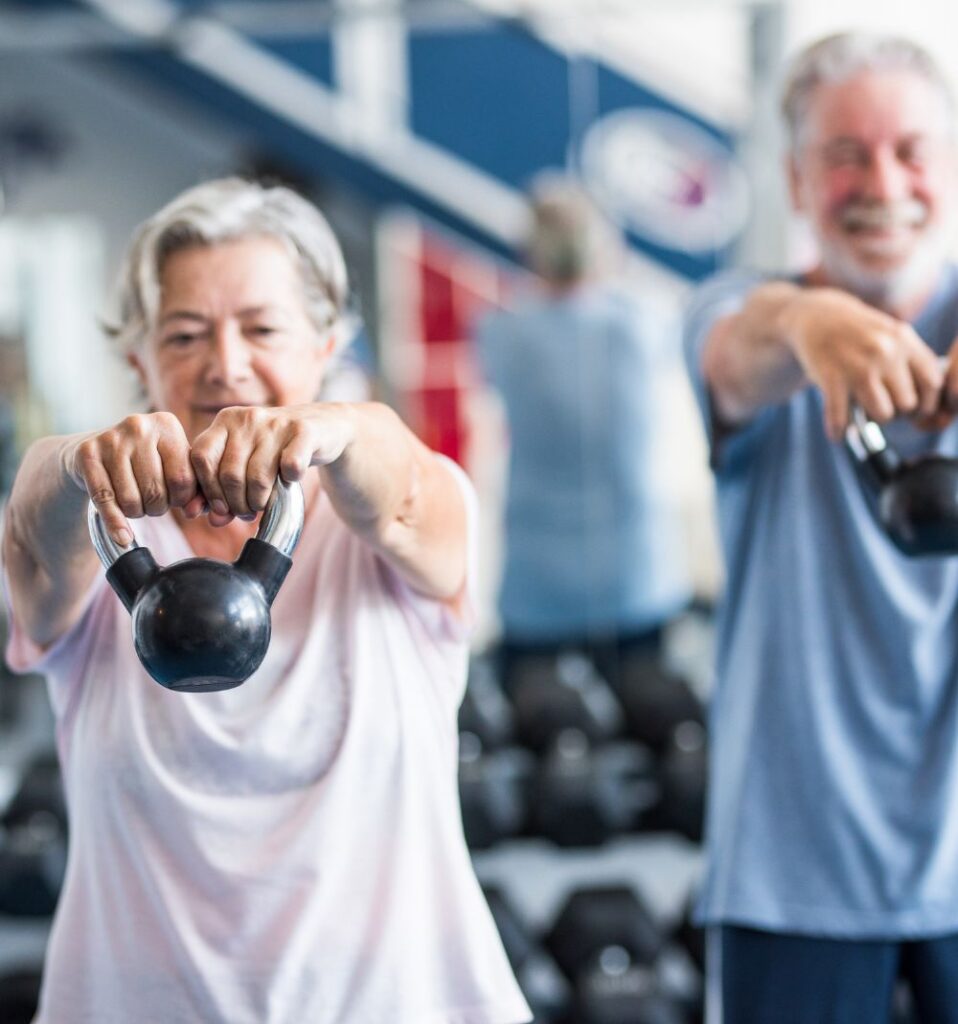
They’re a great option if you’re:
- Managing joint pain, recovering from injuries, or dealing with ongoing joint issues
- New to exercise, returning after time off, or restarting your fitness journey
- Looking to improve cardiovascular fitness with a safer style of cardio exercise
- An older adult (or thinking long-term) looking to support mobility
- Managing high blood pressure or high cholesterol
- Interested in HIIT workouts, but want a joint-friendly way to use interval training at moderate intensity
- Aiming to lose weight, burn calories, and build muscle strength with less strain and lower injury risk
Essentially, if you want a workout routine that supports your body today and can help keep you moving for years to come, low-impact exercise is a great option.
Tips for getting the most from low-impact training
Low-impact workouts are easy to get started with, but a few small adjustments can make a big difference in how comfortable they feel and how much you get from them over time.
- Prioritise good technique: Set up a strong starting position (feet hip-width apart, knees tracking in line with your toes, and arms straight where required). This helps you get the benefit of each exercise while keeping joint stress low.
- Use control rather than speed: Move slowly and smoothly so the movement is controlled, rather than rushed. This helps reduce injury risk, especially with bodyweight exercises.
- Balance your training: Include upper-body and lower-body work so your sessions support a full-body workout throughout the week.
- Adjust intensity, not impact: You can still work at moderate intensity by changing pace, incline, resistance, or rest times, without moving into high-impact exercise.
- Progress gradually: Build up one variable at a time (duration, resistance, or frequency) to avoid too much strain and support long-term improvements.
- Consider tailored support: Working with a personal trainer can help you choose the right low-impact exercises for your goals and create a routine tailored to you.
With the right technique and steady progression, low-impact training can become a reliable, effective part of your routine that supports fitness, confidence, and long-term wellbeing.
Summary
Low-impact workouts offer a practical, effective way to stay active while protecting your joints and supporting long-term health. By reducing unnecessary strain, they make it easier to improve cardiovascular fitness, build muscle strength, support mental wellbeing, and manage health markers such as blood pressure, all without the fatigue or injury risk often associated with high-intensity training.
Rather than being a compromise, low-impact exercise is a sustainable approach that fits real life. It allows you to train at a pace that works for your body, adapt as your needs change, and stay consistent over time. For many people, that’s what makes gentle movement one of the most powerful tools for maintaining fitness, confidence, and well-being in the long run.
Join Bluecoat Sports today
If you’re ready to build strength, improve fitness, and stay active with less strain, Bluecoat Sports can help you find an approach that works for your body and your goals.
Train in our modern Horsham gym, making the most of our indoor and outdoor spaces. Get support from our team, including the option to work with a personal trainer for a tailored workout plan.
Get in touch to learn more about membership and take the first step towards long-term wellbeing.
Frequently Asked Questions
Are low-impact workouts good for weight loss?
Yes. When performed consistently at moderate intensity, low-impact workouts burn calories, support muscle retention, and improve metabolic health, all of which support sustainable weight loss.
Can low-impact exercise improve cardiovascular fitness?
Yes, activities such as cycling, rowing, and brisk walking improve heart rate efficiency, aerobic capacity, and blood pressure control.
Are low-impact workouts better for joint problems?
For many people with joint pain or joint issues, low-impact exercise reduces pressure on their joints while still delivering meaningful benefits, making it easier to stay active long term.