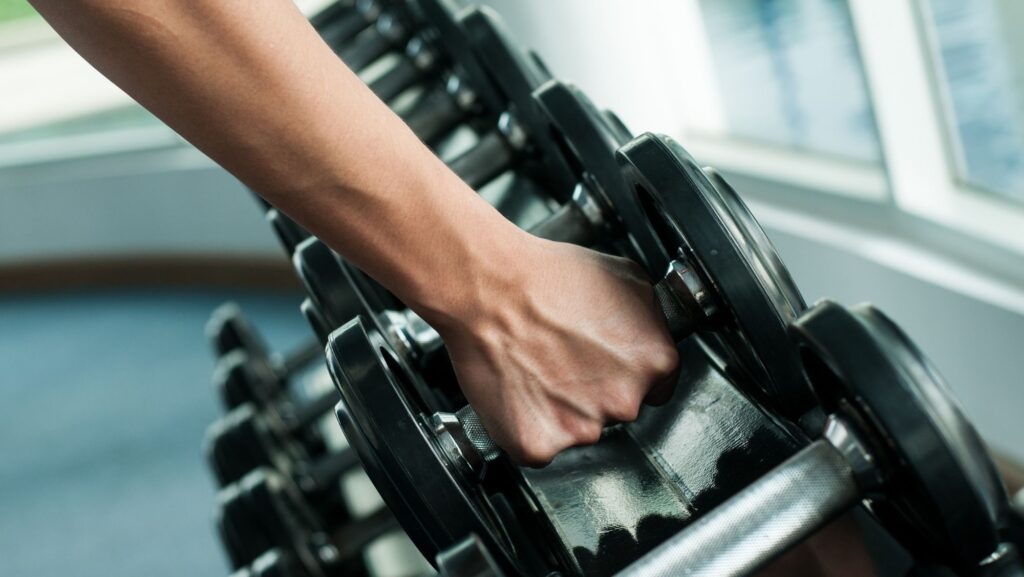
Strength training is one of the most effective ways to improve your overall health at any age, whether you’re in your 20s, 30s, 50s or older. Whilst it can involve lifting heavy weights, it can also include body weight exercises, resistance bands, weight machines, and free weights, all designed to help you build stronger muscles and move with confidence.
For all ages, strength training can support your joints and increase bone density, making everyday activities like climbing stairs, carrying shopping, and maintaining balance easier. It can also help you maintain muscle mass as you get older, reducing the effects of natural muscle loss and lowering your risk of injury.
In this guide, we’ll explore the benefits of strength training for people of all ages, including physical and mental health, and look at how to get started. At Bluecoat Sports, we support members of all ages with safe, effective workouts in our modern gym in Horsham and with our highly skilled personal trainers who can create individualised programmes.
If you want to build strength sustainably, become a member at Bluecoat Sports and start your strength-training journey in a welcoming environment.
What is strength training?
Strength training, also known as weight training or resistance training, is essentially any type of exercise where your muscles work against resistance. Over time, this helps you build stronger muscles, improve stability, and support healthier joints and bones.
The resistance can come from lots of different options, such as:
- Free weights like dumbbells and barbells
- Weight machines, which help guide your movement
- Resistance bands, which are great for controlled strength work
- Your own body weight, using exercises like push-ups, sit-ups, and squats
Unlike aerobic activities such as brisk walking, cycling, or swimming, strength training is designed specifically to build muscle strength by targeting all major muscle groups, including your legs, hips, back, chest, shoulders, arms, and core.
When you train with good form and proper technique, strength training doesn’t just help you get fitter; it helps your body move better, feel stronger, and perform everyday activities with more confidence.
Why can strength training benefit every age group?
Strength training benefits people of all ages by supporting the body in ways that matter at every stage of life, from improving performance and posture in younger adults to protecting mobility, bone density, and independence as we age.
| Age Group | How Strength Training Helps | Why It Matters |
| 18–35 | Builds muscle mass, strength, and athletic performance | Supports fitness goals, boosts confidence, and improves exercise performance |
| 36–55 | Helps maintain muscle mass, supports metabolism, and reduces joint pain | Makes everyday activities easier and lowers injury risk as the body changes |
| 55+ | Improves balance, bone density, and muscle strength | Helps reduce falls, supports independence, and protects long-term health |
No matter your age, resistance training helps build stronger muscles, maintain healthy bones, improve balance, and reduce the risk of injury, making it one of the most valuable forms of exercise you can do.
Strength training benefits by age group
The reasons people choose to strength train vary by age, lifestyle, and fitness goals. Here’s a more in-depth look at the specific advantages of strength training for young adults up to older adults, and how long-term wellbeing is supported at each stage.
Benefits for ages 18-35
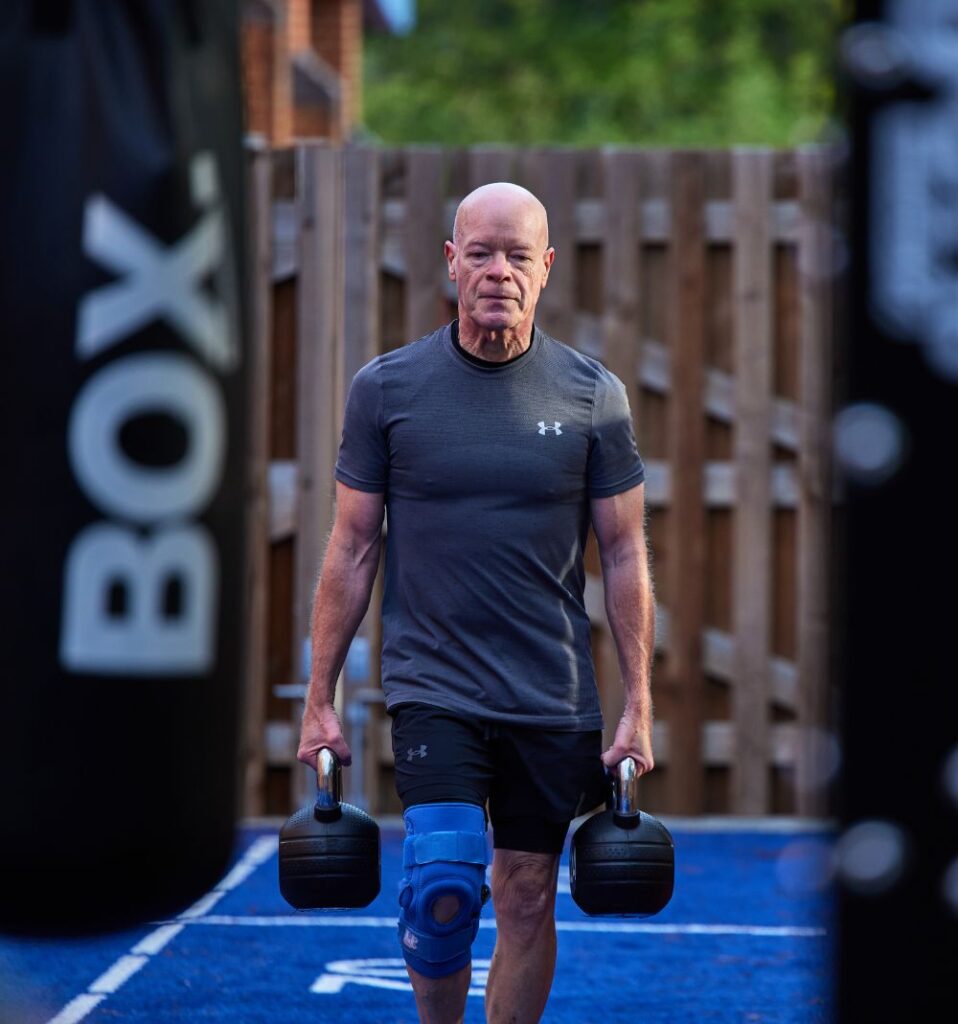
For adults aged 18–35, strength training is a brilliant way to build a strong foundation for long-term health and performance. Developing strength early improves posture, coordination, and movement quality, supporting gym progress and reducing the risk of injury in sports and day-to-day life.
Regular strength training exercises can help you:
- Increase muscle mass and muscle strength
- Boost metabolism and burn more calories at rest
- Improve athletic performance, speed, and power training ability
- Build confidence using gym equipment safely and effectively
Learning proper technique early, whether using bodyweight, free weights, or weight machines, makes training more effective and helps build healthy habits that are easy to maintain over the long term. When combined with aerobic exercise, strength training also supports overall fitness and creates a balanced approach to physical activity.
Benefits for ages 36–55
Between the ages of 36 and 55, many people notice changes in energy levels, strength, and recovery. This is completely normal, but without regular resistance training, muscle loss can accelerate, which can affect metabolism, movement, and joint comfort.
Strength training can help you:
- Maintain muscle mass and overall strength
- Support joints and reduce everyday aches and joint pain
- Improve balance, stability, and movement confidence
- Support weight management and metabolic health
This age group is also where strength training becomes particularly valuable for protecting the body against injury. Stronger muscles provide better joint support, making everyday activities such as lifting, bending, and carrying for extended periods feel easier. Many people also find it’s a great way to manage stress and improve overall well-being.
Benefits for ages 55+
For adults aged 55+, strength training is one of the best ways to maintain mobility, strength, and independence. Building and maintaining strength helps protect balance, improve stability, and reduce the risk of falls, all of which play a huge role in long-term health.
Key benefits include:
- Improved balance and stability
- Reduced risk of falls and related injuries
- Stronger muscles to support everyday activities
- Better joint control and confidence in movement
Strength training using light weights, resistance bands, or your own body weight can significantly improve strength and mobility, so you don’t necessarily need to rely on lifting heavy weights. Strength training is also widely used in sports medicine and rehabilitation settings to help manage chronic conditions safely and support healthier ageing.
Mental and emotional benefits across all ages
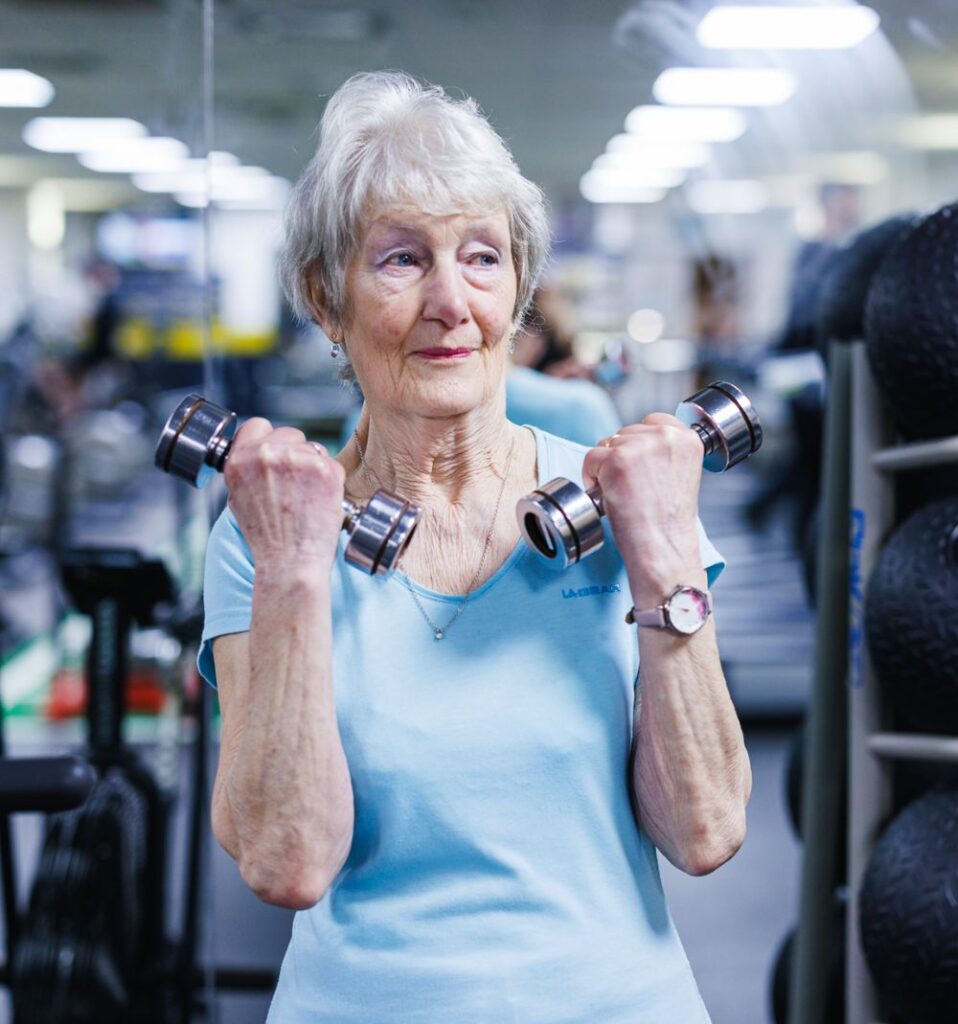
Strength training doesn’t just strengthen the body; it can also impact mental well-being. Many people find that regular training helps them feel more positive, more energised, and more in control of their health.
Alongside the physical benefits, strength training can help to:
- Reduce stress and tension
- Improve mood and confidence
- Support better sleep and daily energy levels
As you get stronger, everyday tasks often feel easier, which can make a real difference to motivation and long-term consistency. Whether you’re training to improve performance, stay active as you age, or simply feel better day-to-day, strength training can support both physical and mental well-being in a very practical way.
How to get started safely
Starting strength training doesn’t mean jumping straight into lifting heavy weights. The best results may come from starting simple, focusing on good movement, and building up gradually over time.
A safe and effective exercise programme should include:
- Learning and practising proper technique
- Starting with manageable resistance, including light weights
- Training all the major muscle groups (legs, back, chest, arms and core)
- Allowing time for recovery each week
- Gradually increasing resistance as strength improves
If you’re new to strength training, returning after a break, or managing an injury, working with a qualified trainer can make a huge difference. A personal trainer or physical therapist can help you use the right form, choose suitable exercises, and reduce injury risk while still making steady progress.
At Bluecoat Sports, our strength training classes are led by experienced instructors to help you build strength safely. Our team can also support members with tailored programmes so you can work at your own pace.
Strength training for heart health and metabolism
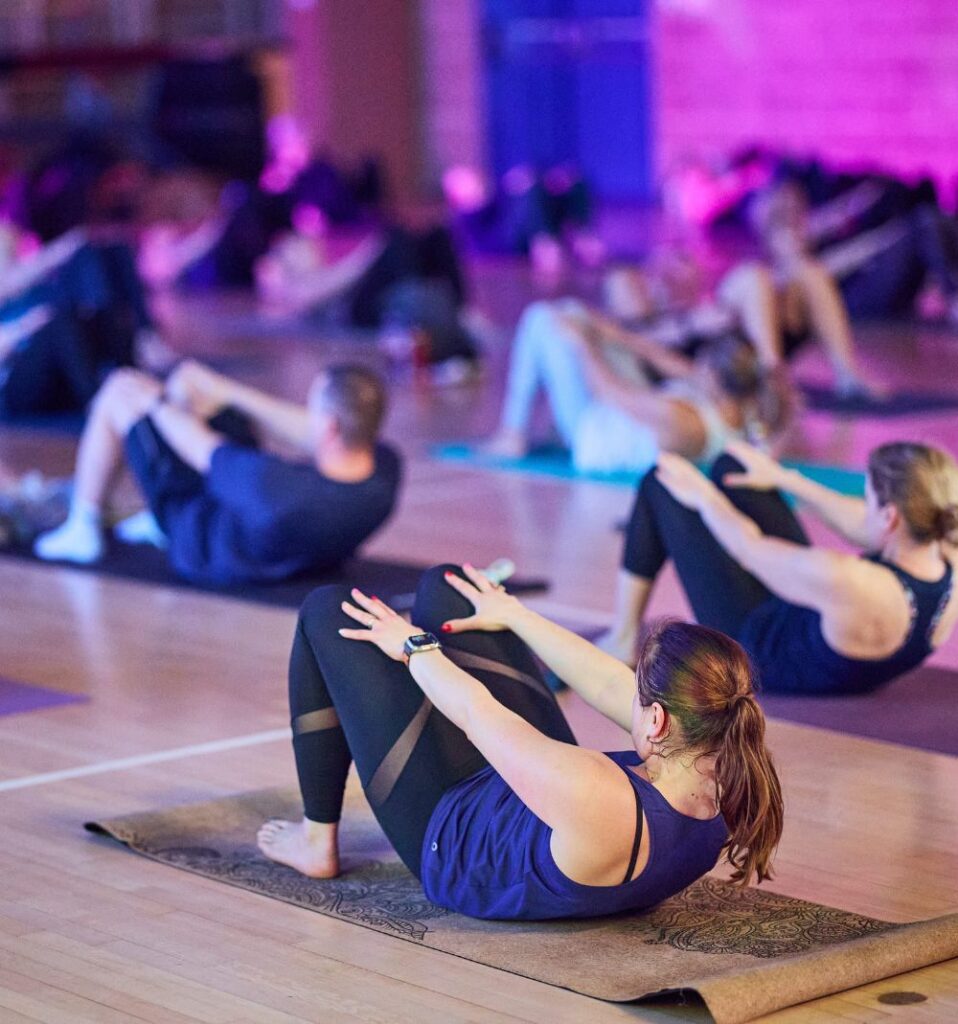
Strength training can also offer important cardiovascular and metabolic benefits, especially when combined with aerobic activity. While aerobic exercise is excellent for heart and lung health, resistance training helps the body use energy more efficiently and improves blood sugar management.
Regular strength training can:
- Improve blood sugar control
- Support people managing diabetes
- Increase metabolism and calorie use
- Reduce the risk of heart disease
As strength training builds muscle mass, your body continues to burn calories even at rest, supporting healthy weight management and reducing long-term health risks. When strength training is part of a balanced fitness routine alongside aerobic activity, it can help protect your heart, support a healthier metabolism, and contribute to overall well-being.
Summary
Strength training is one of the most effective ways to support your health at any age. It helps build and maintain muscle mass, improves strength and balance, supports bone density, and reduces the risk of injury, making everyday activities easier and more comfortable.
In addition to physical benefits, strength training supports mental well-being by improving confidence, reducing stress, and boosting energy. When combined with aerobic activity, it can also improve metabolism, support blood sugar control, and contribute to better long-term heart health, making it a valuable part of a balanced fitness routine for life.
Join Bluecoat Sports Health & Fitness Club
If you’re ready to experience the benefits of strength training in a welcoming and supportive environment, join Bluecoat Sports today. With expert guidance, modern facilities, and programmes designed for all ages and abilities, we’ll help you build strength safely and sustainably.
For more information about membership, contact reception on 01403 247572 or email info@bluecoatsports.co.uk.
Frequently Asked Questions
Is strength training safe for all ages?
Yes. Strength training is safe and beneficial for people of all ages when exercises are chosen appropriately and performed with good form. Starting at the right level and building up gradually helps reduce injury risk and keeps training sustainable.
How often should I do strength training?
There’s no one-size-fits-all answer. Even one or two sessions a week can make a real difference, especially if you’re consistent. The best approach is to find a routine that fits your lifestyle and allows your body time to recover.
Do I need to lift heavy weights to see results?
No. You can build strength and improve muscle tone using light weights, resistance bands, or bodyweight exercises, as long as you’re training consistently and using good technique. As you get stronger, you can gradually increase resistance over time, but heavy lifting isn’t essential to see progress.