
If you’re looking for a structured way to improve your fitness, track running is a great place to start. A running track provides a safe, consistent environment where you can build confidence, improve your running form, and gradually increase your fitness at your own pace.
In this guide, we’ll cover everything you need to know about track running for beginners, including how to get started, simple ways to structure your runs, and tips to help you stay motivated.
Here are some key points:
- Track running is a simple and effective way to improve fitness
- A running track helps you measure progress clearly with set distances
- Start gradually and build up your running over time
- Use a mix of track workouts to keep sessions varied and engaging
- Focus on consistency and building a routine that works for you
At Bluecoat Sports, we’re excited to be launching our brand-new 400m running track on 27th June 2026, providing an excellent space for both beginners and experienced runners to train.
For more information, call reception on 01403 247572 or view our expansion plans.
What is track running?
Track running is a form of running that takes place on a purpose-built running track, typically used for training sessions, structured workouts, and athletics.
A standard track oval measures 400 meters for one full lap. At Bluecoat Sports, our new all-weather track will have six lanes, along with other athletic facilities, including an eight-lane 100m sprint section.
Most modern running tracks are designed to offer good grip and a slight amount of cushioning, helping runners maintain control and reduce impact. They also provide an even surface with clearly marked distances, so whether you complete one lap, two laps, or four laps, you always know the exact distance you’ve covered.
Overall, track running helps support better running form and makes it easier to maintain a steady pace. It also allows you to structure training sessions, monitor progress, and build confidence over time.
Getting set up for track running
You don’t need much equipment to begin track running, which is part of its appeal. Getting started is simple, and most people already have everything they need.
Essential gear
- Comfortable running shoes (no need to wear spikes initially)
- Lightweight, breathable clothing
- Water bottle
Optional extras
- A running watch to track laps and pace
- Extra layers depending on the weather
Most beginners start in standard trainers rather than racing flats, focusing on comfort and support as they build consistency.
How to get started with track running

Many people trying track running for the first time may be familiar with jogging or treadmill running. The track simply adds more structure, making it easier to measure distance and build a consistent routine, however it may feel slightly unfamiliar at first.
For your first session, it’s worth considering going at a quieter time to get used to the layout, or going with a friend who’s been before. Most track users run in the same direction and use different lanes depending on pace, so taking a moment to observe others can also help you settle in.
Once you’re on the track and training, the key is to focus on good habits.
1. Start with a proper warm-up
A proper warm-up prepares your body for exercise and helps reduce the risk of injury.
Try light jogging, along with dynamic movements like walking lunges and simple drills such as butt kicks to improve leg turnover. This combination helps gradually raise your heart rate and get your muscles ready for the session ahead.
2. Begin running with short intervals
For your first few sessions, use a simple interval workout as the main part of your run.
For example, run one lap, then walk for half a lap. If that feels right for you, you can repeat this a couple of times, building up gradually as your confidence improves.
This approach helps you build endurance at your own pace while maintaining a consistent effort, without overdoing it early on.
3. Focus on consistency
As you continue with these sessions, focus on running at a steady pace that feels sustainable and manageable. Rather than trying to go too fast, building a routine is more important than speed at this stage.
Training 2–3 times per week is enough to start developing fitness, with plenty of time for recovery between sessions.
4. Track your progress
One of the biggest benefits of track running is how easy it is to measure progress. Using laps as simple milestones helps keep things clear and motivating.
Moving from two laps to three, and eventually four, is a great way to build confidence. As you progress, you can introduce more structure, including pacing targets such as tempo pace or mile pace, and gradually incorporate more varied track workouts.
By starting with these simple steps and building gradually, you’ll feel more comfortable on the running track and develop a routine that works for you, making it easier to enjoy your time exercising.
Benefits of track running for beginners
If you’re new to running, using a running track can make a big difference in how quickly you find your rhythm and settle into a routine. The structured environment takes away a lot of the guesswork, allowing you to focus on your progress and enjoy the process.

Some of the key benefits of track running for beginners include:
- Measurable progress – With clearly marked distances, it’s easy to track how far you’ve run, whether that’s a few laps or gradually building up to longer distances. This makes it easier to stay motivated and see improvement over time.
- Ideal for structured training – A running track is perfect for simple track workouts, including interval sessions, tempo runs, and basic speed workouts, helping you build fitness in a clear and manageable way.
- Controlled environment – Smooth, even track surfaces reduce the risk of uneven footing and tripping hazards, allowing you to focus on your running form and remain injury-free.
- Consistent pacing – Running on a track makes it easier to control your pace and maintain a consistent effort, helping you understand how different speeds feel over the same distance.
- Suitable for all runners – Whether you’re a slower runner just starting out or sharing the space with more experienced track users, everyone can train at their own pace in a supportive environment.
- Flexible for different goals – Whether you’re aiming to improve general fitness, work towards a long-distance goal, or introduce light speed work, track running can be adapted to suit your needs.
Together, these benefits make track running an accessible and effective way to build confidence, improve fitness, and develop a routine that’s easy to stick to over time.
Getting comfortable on the running track
When starting track running, a few simple adjustments can make your sessions feel more manageable and enjoyable. Keeping these in mind early on can help you make the most of your time on the running track.
| What to look out for | What to do instead |
| Starting too fast on your first lap | Start at a steady pace and build gradually as you go, helping you maintain a consistent effort throughout your session |
| Skipping a warm-up and cool-down | Allow a few minutes before and after your session to warm up and cool down properly, helping your body prepare, recover, and remain injury-free |
| Not using the correct lane | Follow the direction of other runners and use an appropriate lane for your pace. Slower runners typically move to the outer lanes, but it’s always best to check signage or observe other track users |
| Doing too much too soon | Begin with a manageable number of laps around the track and increase gradually over time, allowing your fitness to build at a pace that’s right for you |
By keeping these points in mind, you’ll find it easier to settle into a routine and enjoy your track running sessions over time.
Staying motivated with track running
Building a consistent workout routine is key to long-term progress, especially when you’re just getting started.
To stay motivated, it can help to:
- Set simple, realistic goals (for example, building up to four laps)
- Mix up your track sessions with different paces and distances
- Train with friends or alongside other track users
- Celebrate small improvements along the way
Even small gains, like running slightly further, feeling more at ease, or maintaining a steadier pace, can make a big difference over time.
Summary
Getting started with track running as a beginner is a simple and effective way to build fitness in a structured, supportive environment. With clear distances and an even surface, a running track makes it easier to develop good habits, improve your running form, and build confidence over time.
By starting gradually, staying consistent, and keeping your sessions varied, you can make steady progress at your own pace. Whether your goal is to complete a few laps around the track or build towards longer distances, track running is an accessible way to get started.
‘Save the date’ – 27th June 2026
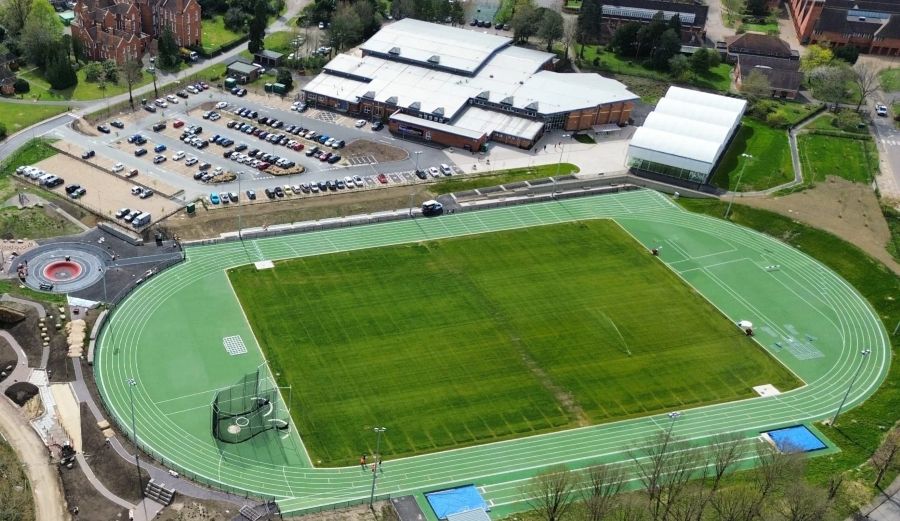
We’re excited to launch our brand-new 400m running track at Bluecoat Sports. Keep an eye on our social media channels for updates.
If you’re interested in making the most of the new track, you can also find out about our membership options. If you have any questions, get in touch with our friendly team, and we’ll be happy to help.
Frequently Asked Questions
What is the best way to start track running?
Start with short, manageable sessions that mix running and walking. A simple interval workout, such as running one lap and walking half a lap, is ideal for beginners.
How often should beginners do track workouts?
Beginners should aim for 2–3 training sessions per week, allowing time for recovery between runs. Consistency is more important than intensity when starting out.
Do I need special shoes for track running?
No, you don’t need to wear spikes when starting out. Comfortable running shoes are perfect for beginner track workouts, with more specialised footwear only becoming relevant as you progress.