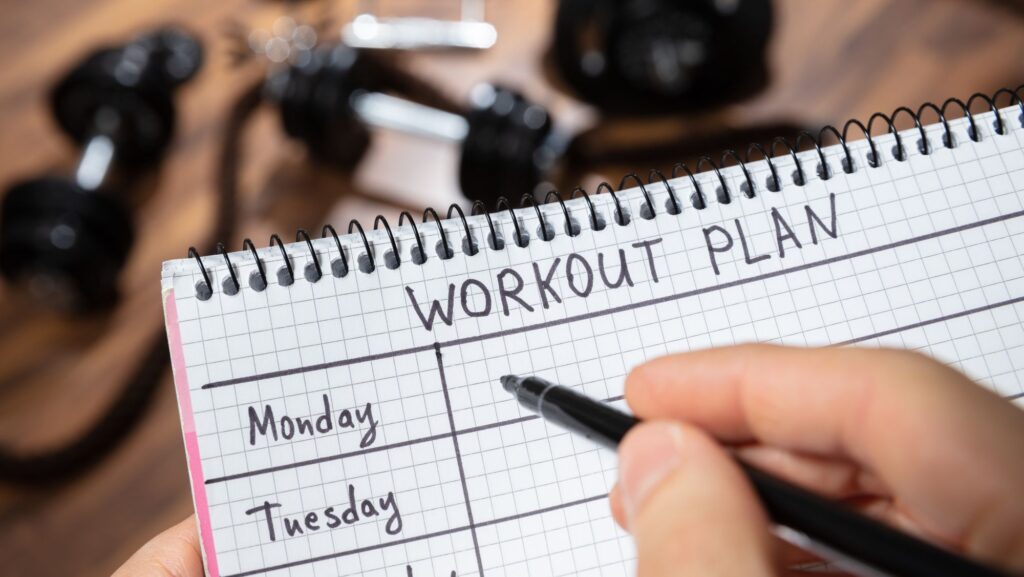
The new year is one of the most common times to think about health and fitness. Many people set ambitious fitness goals for the new year, only to feel overwhelmed, lose motivation, or slip back into old habits after a few weeks. If that sounds familiar, you’re not alone, and it may be a sign that a gentler, more realistic approach could work better.
Resetting and refreshing your fitness goals isn’t about starting from scratch or pushing harder than ever. It’s about taking a step back, learning from the past year, and creating a more realistic and sustainable approach to fitness. With the right plan, clear priorities, and a focus on habits that fit your life, this can be the year you have a consistent fitness routine that works for you.
If you’re looking ahead and thinking about your goals over the next year, take a look at our gym memberships at Bluecoat Sports and join our health and fitness centre in Christ’s Hospital, Horsham. We’re proud to offer a welcoming, supportive environment for training and enjoying sports.
For more information about our facilities and membership, please call reception on 01403 247572.
Why resetting fitness goals matters
Many fitness resolutions struggle because they’re built on pressure rather than purpose. Intense workouts, strict diets, or unrealistic schedules can feel motivating at first, but they’re often difficult to maintain alongside everyday life, work, and other commitments.
Resetting your fitness goals gives you the chance to adopt a more balanced, sustainable approach. It allows you to:
- Let go of unrealistic expectations
- Reduce the risk of burnout or injury
- Focus on long-term health rather than quick results
- Build positive habits you can maintain every day, not just in January
A reset is simply an opportunity to realign your goals with your lifestyle and move forward with greater confidence.
How to refresh your fitness goals
Once you’re in the right mindset, you can look at how you can refresh your goals and routines for the year ahead.
Reflect on the past year
Before setting new goals, it’s worth looking back at the past year and being honest about what worked and what didn’t. This step is often skipped, but it provides valuable insight.
Ask yourself:
- Which fitness habits did I keep up consistently?
- Where did I struggle, and why?
- Did time, motivation, or energy affect my routine?
- How did my diet, stress levels, and sleep influence my workouts?
This reflection is ultimately about understanding your starting point so you can set goals that make sense for your current life.
Set realistic fitness goals
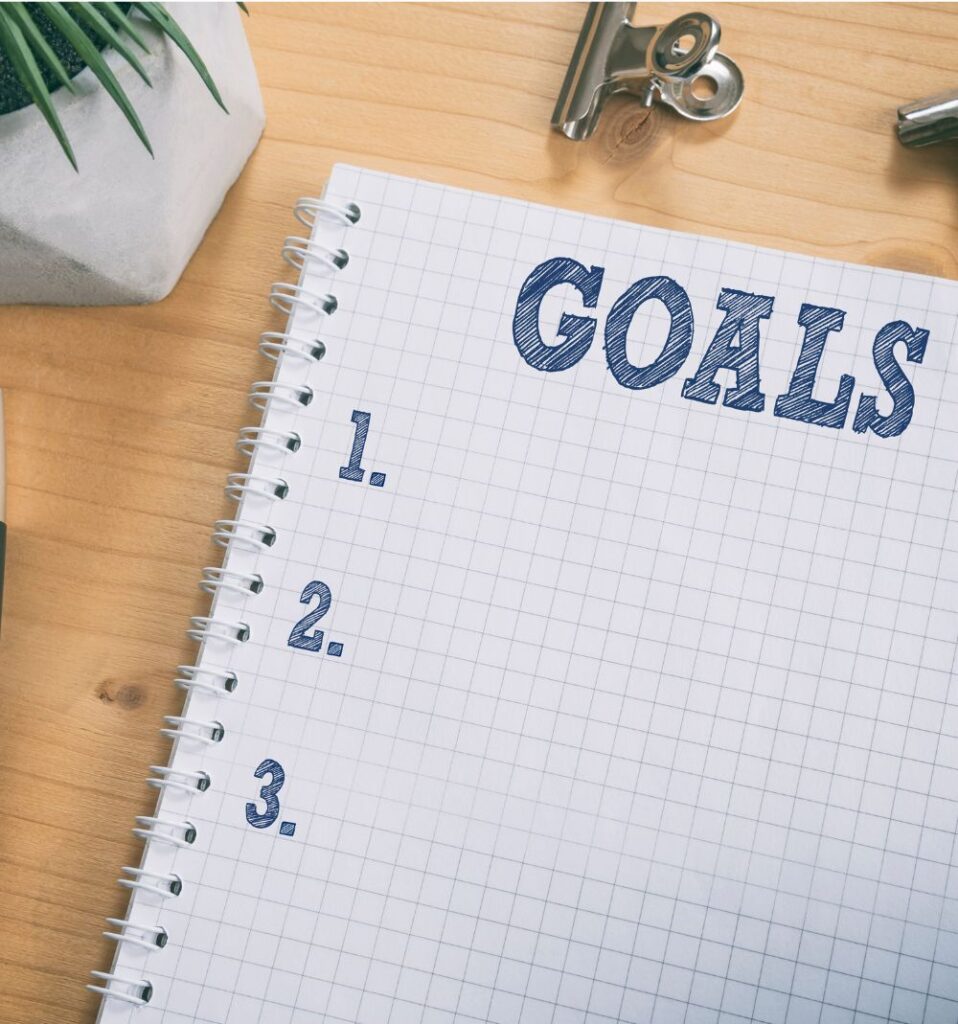
One of the biggest reasons New Year’s fitness goals fail is that they’re too vague or too extreme. Goals like “get fit” or “lose weight fast” sound motivating, but they’re hard to track and difficult to maintain.
Instead, you could aim to set realistic goals with the widely used SMART goals approach:
- Specific – clear and focused
- Measurable – easy to track
- Achievable – challenging but realistic
- Relevant – meaningful to you
- Time-bound – attached to a timeframe
Whilst it depends on a range of factors, having clear and realistic fitness goals for your circumstances will help give your training direction and make progress easier to recognise.
Focus on habits, not just results
While results matter, habits are what get you there. Long-term success comes from consistent behaviour, not short bursts of motivation.
Helpful habits might include:
- Moving your body first thing in the morning
- Planning workouts around your lunch break
- Preparing meals to reduce reliance on junk food
- Scheduling rest days alongside training days
When habits become part of your routine, staying motivated feels more natural and less forced.
Create a balanced routine
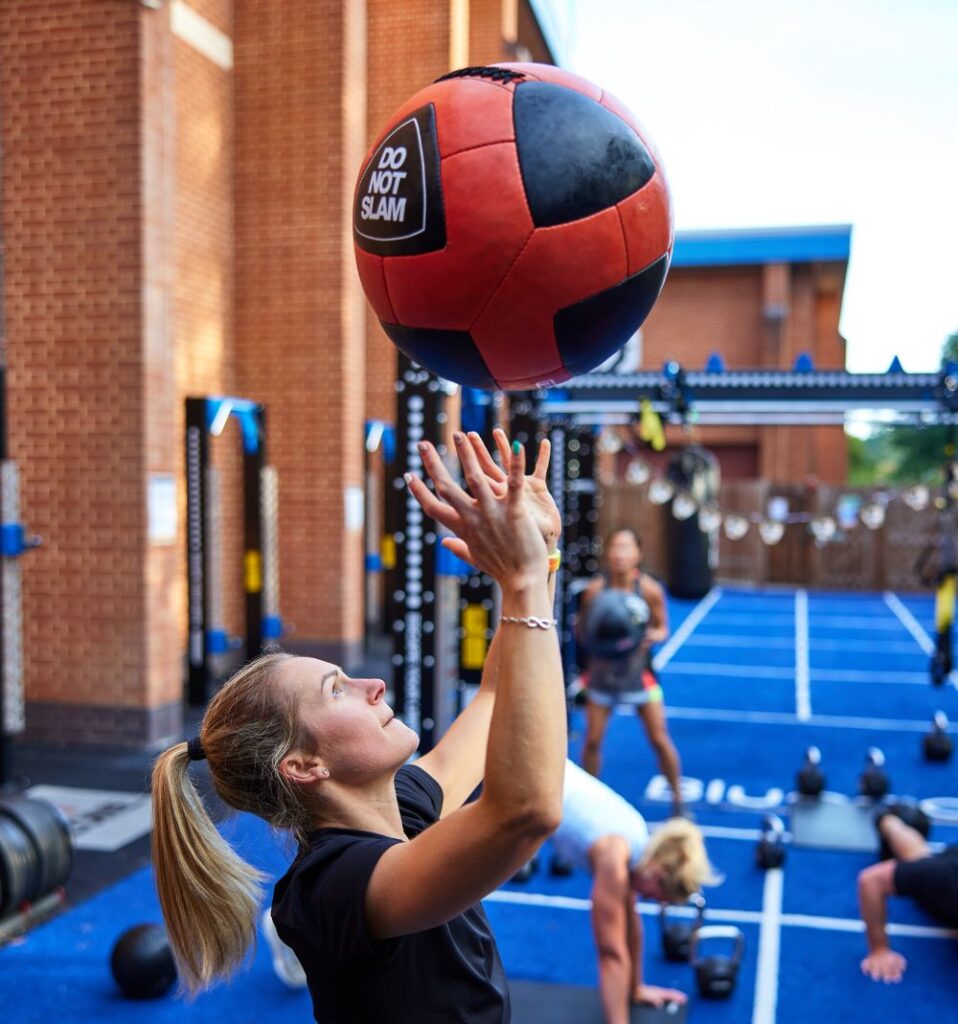
A well-rounded fitness routine supports progress and reduces injury risk. Doing the same workout every day can lead to boredom or overuse injuries, while variety helps to keep both the body and mind engaged.
A balanced routine often includes:
- Resistance training to build strength and muscle
- Cardiovascular exercise to improve fitness and endurance
- Mobility or flexibility work, such as yoga
- Planned recovery time
Not every workout needs to be intense. Some days, a light session or a walk is enough to stay physically active and support recovery.
Make your fitness routine suit you
One of the most common reasons people struggle with fitness is that their plan doesn’t fit their lifestyle. The best routine is one you can maintain, even during busy weeks.
Consider:
- Shorter workouts when time is limited
- Training close to home or work
- Exercising with friends for accountability
- Choosing activities you genuinely enjoy
By shaping your routine around your schedule and preferences, it becomes much easier to stay consistent. Over time, these manageable choices can add up to meaningful progress.
Try something new
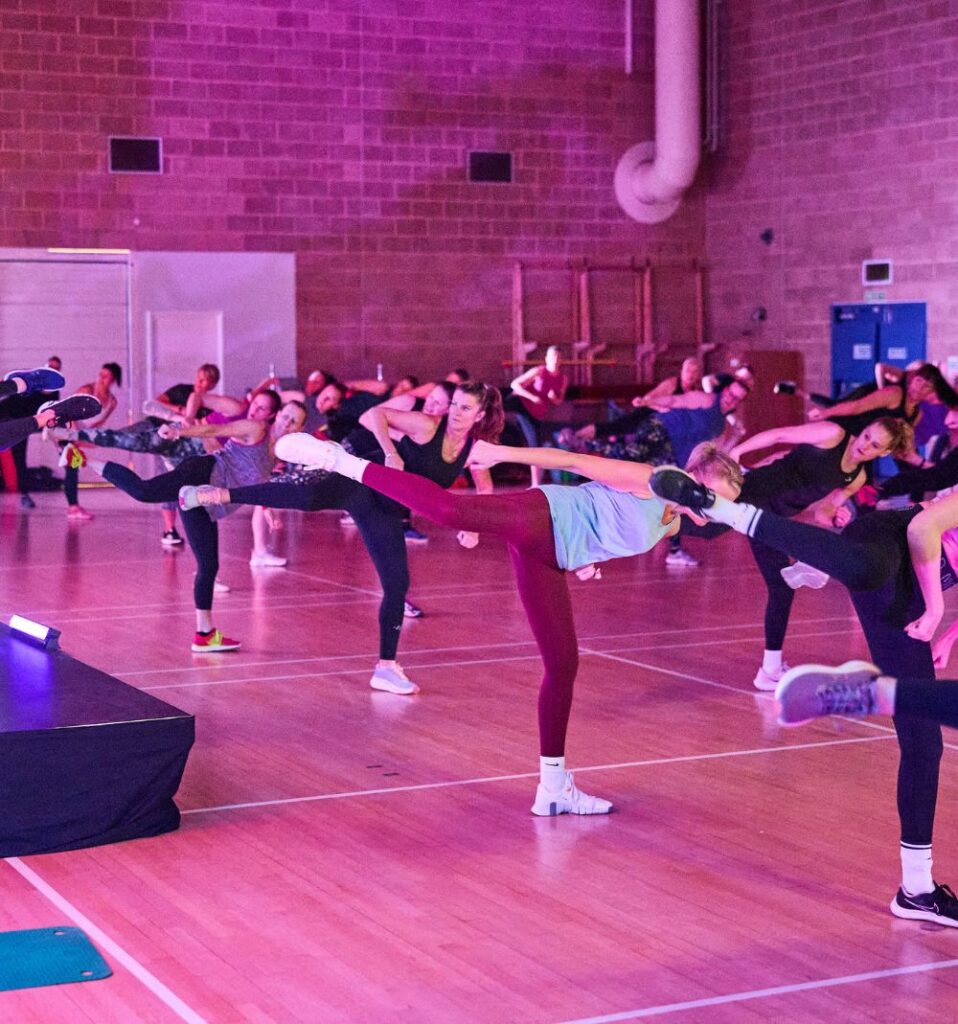
If your workouts start to feel repetitive, your motivation can drop quickly. Refreshing your training helps keep things interesting and challenges your body in new ways.
Ways to refresh your routine include:
- Trying new exercises or equipment
- Changing your workout schedule
- Joining exercise classes or a structured programme
- Setting a short-term challenge
Keeping fitness enjoyable makes it much easier to stay committed in the long term. Many people find that mixing gym workouts with sports or social activities helps keep motivation high and training feeling fresh. One option growing in popularity is padel, a fast-paced racket sport that adds variety and fun to routines.
Prioritise nutrition and hydration
Nutrition and hydration both play an important role in supporting energy levels, recovery, and overall health. Taking a simple, balanced approach to eating and drinking can make it much easier to feel fuelled for workouts and everyday activity.
Rather than following strict rules, aim for:
- Regular meals with good quality ingredients
- A flexible, balanced approach to diet and treats
- Food choices that support your training and daily routine
- Drinking enough fluids throughout the day to stay well hydrated
Good nutrition and hydration should feel supportive rather than restrictive, helping you keep up with your fitness goals without adding unnecessary stress to everyday life.
Track and celebrate your progress
Progress can show up in many different ways, and it isn’t always immediately obvious. Paying attention to how your fitness is improving over time can help you stay motivated and focused.
Useful ways to track progress include:
- Improvements in strength and stamina
- Greater consistency with your routine
- Higher energy levels and improved mood
- Increased confidence and better movement quality
Using an app, notebook, or simple checklist can help you spot patterns and recognise progress. Take time to celebrate these achievements too. Fitness is an ongoing journey, and steady effort over time should lead to lasting results.
Get professional support from a personal trainer
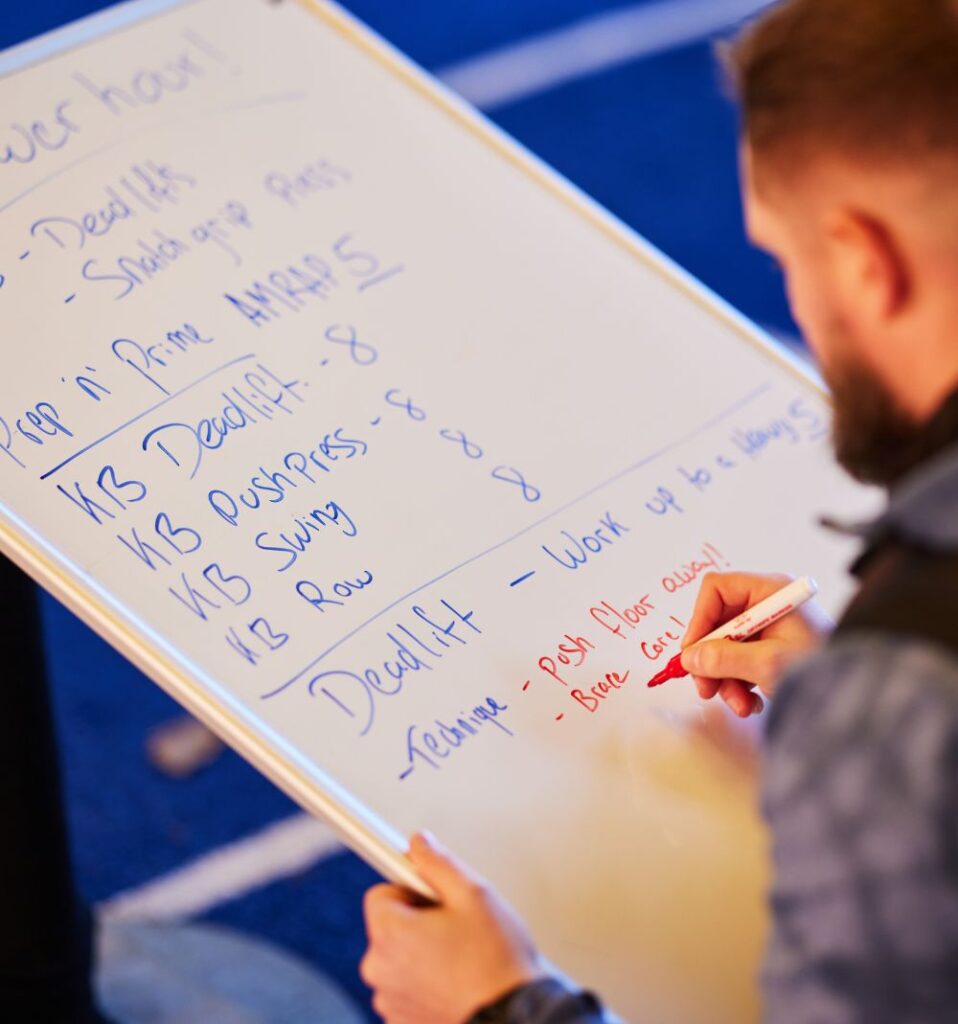
Having the proper support can make a big difference, especially if you’re unsure how to structure your training or want to make the most of your time in the gym. A clear plan and regular guidance can help remove guesswork and keep you moving in the right direction.
Working with a certified personal trainer can help you:
- Create a structured, realistic training plan tailored to your goals
- Train safely and reduce the risk of injury
- Stay accountable and consistent with your workouts
- Build confidence in your technique and overall approach
For many people, personal training provides the clarity and motivation needed to stay on track and enjoy the process, making long-term progress far more achievable.
Meet our personal trainers and get in touch with us to learn more about how we can help you on your journey.
How to stay motivated beyond January
As the year progresses, motivation often changes as routines settle and life gets busy. Rather than relying on constant enthusiasm, staying motivated usually comes down to small adjustments and a flexible mindset.
Ways to support motivation later in the year include:
- Checking in with your goals and adjusting them as your fitness or circumstances change
- Shifting focus between performance, enjoyment, or well-being when needed
- Paying attention to how regular exercise supports your energy, mood, and daily routine
- Choosing activities you enjoy, so training feels rewarding rather than forced
If motivation drops or routines slip for a short time, that’s completely normal. Gently returning to what works for you, without pressure, helps keep progress moving forward.
Summary
Resetting and refreshing your fitness goals is about creating an approach that works beyond the first few weeks of the year. By reflecting on the past, setting realistic goals, and building a routine that fits your lifestyle, fitness becomes more manageable and sustainable.
Long-term progress comes from consistency, balance, and adaptability rather than perfection. When your goals, habits, and routines evolve with you, fitness becomes something you can maintain throughout the year, not just in January.
Become a gym member at Bluecoat Sports
If you’re looking to turn your refreshed fitness goals into action, having the right place to train can make all the difference. Bluecoat Sports offers a well-equipped indoor gym alongside an outdoor fitness gym, giving you the flexibility to train in a way that suits your preferences and routine.
Whether you’re easing back into exercise, building a new routine, or looking for more variety, you’ll find a supportive setting designed to help you stay on track. To learn more about memberships, facilities, or to take the next step, speak to our team and find out how to get started.
Fitness goals FAQ
How do I reset my fitness goals for the new year?
Start by reflecting on what worked and what didn’t over the past year, rather than trying to start from scratch. Set realistic, measurable goals that fit your lifestyle and current fitness level. Focusing on small, steady habits makes it easier to stay motivated and maintain progress.
How long does it take to see progress with new fitness goals?
Many people begin to notice improvements in energy, strength, or consistency within 4–8 weeks. Visible changes often take longer, especially if your goals involve body composition or endurance. Sticking with your routine is the most important factor.
What if I lose motivation after January?
This is completely normal and happens to most people. When motivation dips, refreshing your routine, setting shorter-term goals, or adjusting your plan can help you stay on track. Remember that missing a workout doesn’t undo your progress; consistency over time is what matters.