
Movember is a men’s health charity event held each November, helping to raise money and awareness around issues including mental health and prostate and testicular cancer. Movember is a timely reminder to think about the everyday habits that can support men’s health and wellbeing.
Staying active can support cardiovascular fitness, maintain strength and mobility, and benefit mental wellbeing, but it doesn’t have to mean following an intense training programme or spending every day in the gym. Whether you prefer swimming, strength training, racket sports, fitness classes or simply becoming more active in your day-to-day routine, there are plenty of ways to move more.
In this guide, we’ll look at why movement matters for men’s health, how much activity adults should aim for and some practical ways to make exercise a more regular part of your week.
At Bluecoat Sports, you can choose from a wide range of activities and find something that works for you, from our state-of-the-art gym and exercise classes to swimming and racket sports. For more information, contact our team, and we’ll be happy to help.
Why movement matters for men’s health
Regular movement can support several areas of men’s health, whether you already exercise regularly or are looking to become more active.
Benefits can include:
- Supporting cardiovascular fitness through activities that raise your heart and breathing rate
- Maintaining muscle and bone strength through resistance and strength-based exercise
- Supporting mobility and everyday movement as you get older
- Helping with weight management as part of an active lifestyle
- Supporting mental wellbeing, including stress management and sleep
- Creating opportunities to socialise, whether through classes or team activities
Different types of movement can support your health in different ways, which is why no single activity works for everyone. This highlights the importance of finding activities you enjoy and can realistically fit into your routine, then building a foundation from there.
Different types of movement to explore
As mentioned, different types of exercise can support different areas of fitness and wellbeing, so there’s no single approach men need to follow to stay active.
Here’s a look at some popular ways to build more movement into your routine:
| Type of movement | Examples | How it can support your fitness |
| Cardio | Walking, running, cycling and fitness classes | Supports cardiovascular fitness and stamina |
| Strength-based exercise | Free weights, resistance machines and bodyweight exercises | Helps maintain muscle strength and everyday physical function |
| Racket sports | Squash, padel and badminton | Combines cardiovascular activity with movement, coordination and agility |
| Swimming | Lane swimming, casual swimming and water-based exercise | Supports cardiovascular fitness and full-body movement with lower impact on the joints |
A varied approach can help you work on different areas of fitness while keeping movement interesting. You might prefer one main activity or combine several across the week depending on your interests, goals and routine.
At Bluecoat Sports, you can use our fitness suite for cardio and resistance training or our 25-metre swimming pool if you prefer a lower-impact way to stay active.
Movement is also one way people can get involved with Movember. Its annual Move for Movember challenge encourages participants to walk or run 60 km during the month.
How can movement support men’s mental health?
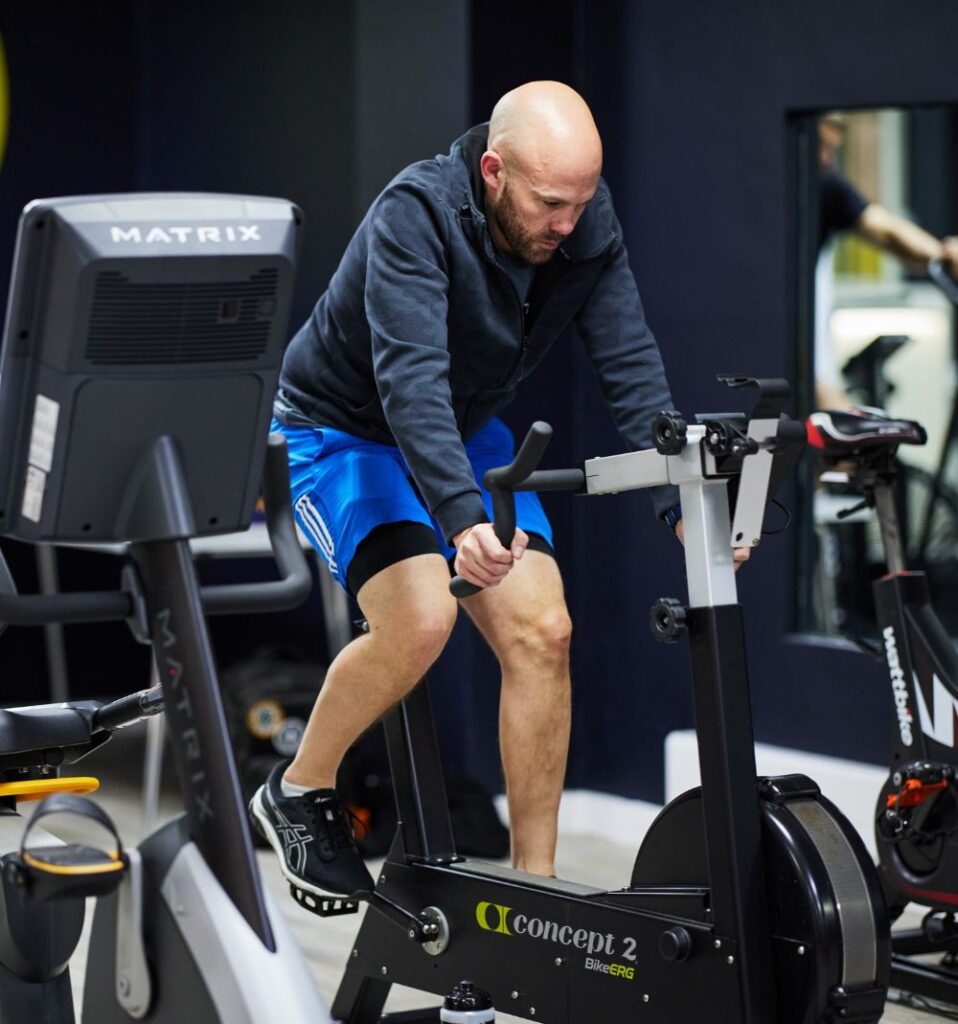
The benefits of being active aren’t only physical. Regular exercise can also support mental wellbeing by helping with stress management, sleep and general quality of life.
Movement can be useful in different ways:
- Providing a change of pace after a busy or stressful day
- Creating time away from work and screens
- Adding structure and routine to your week
- Giving you something to focus on, whether you’re swimming, training or playing sport
- Making time for yourself as part of a wider approach to wellbeing
The activity itself does not need to be particularly intense. A walk, a swim or a game with a friend can all provide an opportunity to move and reset. Exercising with someone else can also provide an opportunity to talk, particularly if they are going through a similar situation or facing some of the same day-to-day pressures.
If you prefer exercising with others, Bluecoat Sports offers a wide range of sessions from higher-energy workouts to yoga and swim classes. Check our timetable to see what’s on.
Exercise can support mental wellbeing, but it is not a substitute for professional help. If you’re concerned about your mental health or finding things difficult to manage, speak to a GP or another appropriate healthcare professional.
The social benefits of staying active
Looking after your health does not always have to be something you do alone. Exercise can also give you opportunities to spend time with others, making staying active a more social part of your week.
Playing squash, padel, or another racket sport lets you stay active while spending time with someone else and enjoying conversation, while fitness classes can add a regular social element to your routine.
Training with a friend, partner or colleague may also make exercise more enjoyable and help you stay consistent. It doesn’t need to be competitive; simply having someone else to exercise with can make movement feel like a more natural part of your week.
At Bluecoat Sports, our racket sports facilities include squash, padel, badminton, and pickleball, giving you several ways to combine activity with a more social style of exercise.
How much exercise should men aim for?

No single routine suits everyone, and how much movement feels appropriate depends on your current fitness, lifestyle, health and the activities you enjoy. As a general guide, UK recommendations suggest adults aim for around 150 minutes of moderate activity across the week, along with some strength-based exercise.
Rather than focusing too heavily on numbers, aim to make movement a regular part of your week. This could mean a mix of walking, swimming, gym sessions, fitness classes or sport, with less active days and time to recover when needed.
If you’re becoming more active after a quieter period, start with a manageable amount and build from there. The main thing is finding a routine you can maintain consistently.
Ways to get moving at Bluecoat Sports
At Bluecoat Sports in Horsham, there are different options depending on how you like to exercise.
- Gym: If you prefer training independently, our gym includes cardio and resistance equipment, plus a dedicated weights area. If you would like more individual support, our personal trainers offer one-to-one sessions.
- Group classes: If group exercise helps keep you motivated, you can explore our class timetable. We offer a wide range of classes each week, including aerobic, strength and body and mind classes.
- Racket sports: Prefer sport? Our racket sports facilities give you opportunities to play activities such as squash and padel, whether you enjoy a friendly game or something more competitive.
- Swimming: Our 25-metre swimming pool gives you another way to work on fitness, with swimming offering a lower-impact form of movement.
With different ways to be active, you can choose the type of movement that best fits your interests, fitness level and routine.
Making movement easier to maintain
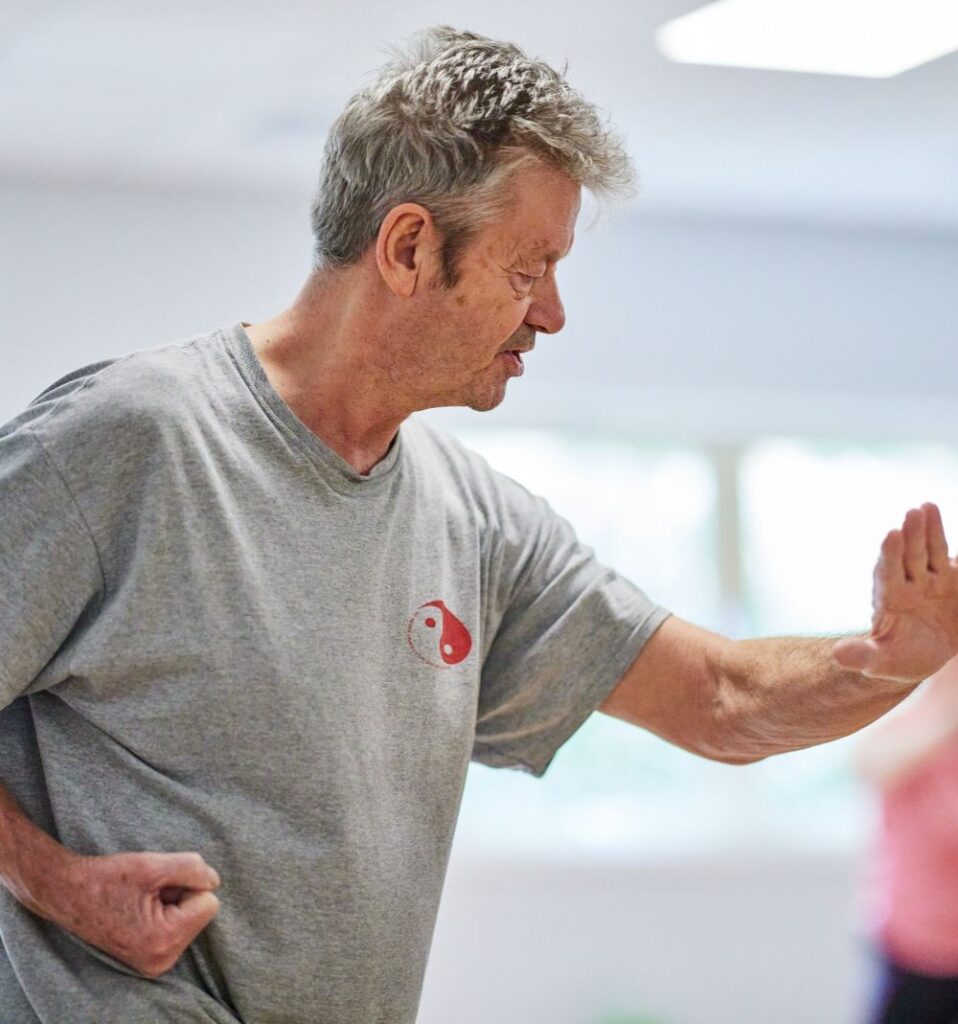
For men looking to become more active, fitting exercise around work, family and other commitments can sometimes be as important as choosing the activity itself.
It can help to choose times that realistically fit into your week rather than relying on motivation alone. Some people prefer a regular gym session, while others find it easier to stay active by booking a class, arranging a weekly game or exercising with someone else.
A few simple habits can help:
- Choose activities you genuinely enjoy
- Plan movement into your week
- Start with manageable sessions
- Build the amount or intensity gradually
- Allow time for rest and recovery
Your routine doesn’t need to look the same every week. The aim is to find an approach that feels sustainable and can adapt when life gets busy.
Men’s health goes beyond movement
The wider Movember campaign helps raise awareness of men’s health issues, including mental health and suicide prevention, prostate cancer and testicular cancer, while encouraging more open conversations about men’s health.
Staying active is important, but so is paying attention to how you feel. If you notice a change that concerns you, whether physical or mental, speak to a GP or another appropriate healthcare professional.
Summary
Regular movement can support several areas of men’s health, including physical fitness, mental wellbeing and everyday function, while also creating opportunities to stay active in ways you enjoy.
No single approach works for every man. The key is to find activities that suit your interests, lifestyle and current fitness level, whether that means gym training, swimming, fitness classes, racket sports or simply moving more day to day.
Movement is one part of looking after your health, alongside paying attention to how you feel and seeking support when you need it. Building an active routine that feels realistic and sustainable year-round is a good place to start.
Get moving at Bluecoat Sports
Based at Christ’s Hospital in Horsham, we offer a range of facilities to help you stay active in a way that suits you. Whether you want to work out independently, join a class, swim or pick up a racket, Bluecoat Sports offers different ways to make movement part of your routine.
Explore our facilities and current activities, or look at our membership options to find one that works for you. If you need any more information, please get in touch.
Frequently asked questions
What type of exercise is best for men’s health?
There isn’t one type of exercise that is best for everyone. It can be beneficial to combine aerobic activity with muscle-strengthening exercise, while choosing activities that suit your fitness level and that you can maintain consistently.
Does exercise support mental wellbeing?
Yes. Regular physical activity is linked to benefits for mental and physical health, including stress management, sleep, and quality of life. Exercise can support your wellbeing, but you should seek professional help if you’re concerned about your mental health.
Can I still benefit from exercise if I’m only just getting started?
Yes. You don’t need to be highly active for movement to be worthwhile. Starting with manageable sessions and building up gradually can make it easier to create a routine that fits your lifestyle and current fitness level.


