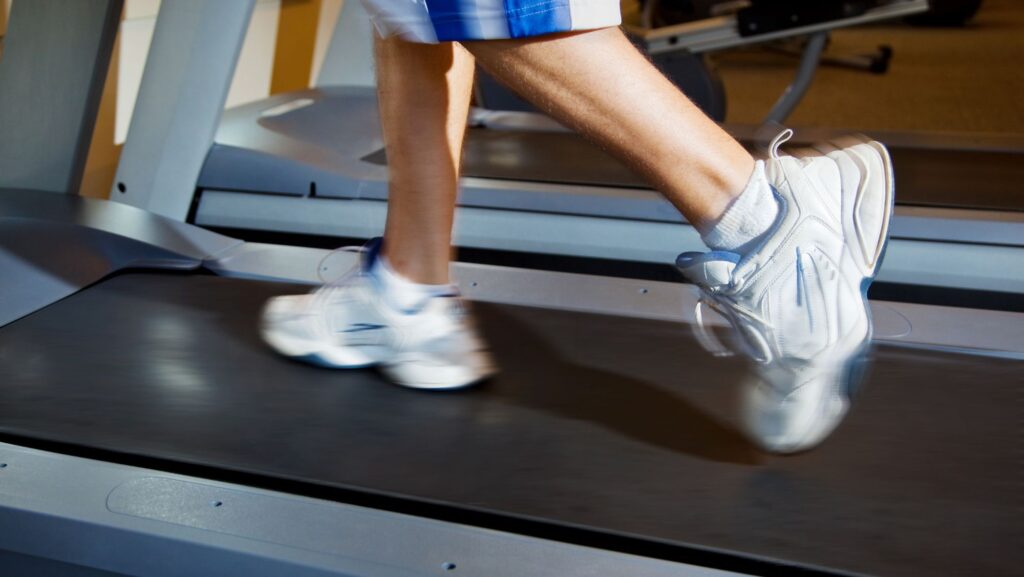
If you’ve ever felt tired halfway through a workout, struggled to finish a set, or run out of energy sooner than you’d like, your stamina is likely what’s holding you back. Stamina is what helps your body keep going, and your mind stay focused when exercise starts to feel challenging. It plays a huge role in how long you can train, how quickly you recover, and how confident you feel in the gym.
The good news is that stamina can be improved through proper training. A mix of steady aerobic exercise, strength training, short bursts of higher-intensity effort, adequate rest, and good hydration all work together to help you have longer workouts and feel stronger. Over time, this approach leads to better energy levels, improved fitness, and progress towards your goals.
If you want to feel fitter and get more from gym sessions, the environment you train in really matters. At Bluecoat Sports, Horsham, you’ll find a modern gym with the equipment and support you need to enjoy exercise at your own pace.
Explore our membership options and call our reception team today on 01403 247572 for more information or to book a tour.
What is stamina, and why is it a focus?

Stamina is a mix of how long your body can keep working during exercise and how quickly you recover afterwards. It’s shaped by two main things:
- Cardiovascular endurance – how well your heart and lungs keep you moving
- Muscular endurance – how long your muscles can work before they get tired
When both improve, exercise starts to feel easier, and you’re typically able to train for longer, recover faster between sets, and even get through everyday activities with less effort.
Good stamina is a top priority for many, as it helps with all types of movement, from jogging and cycling to gym exercises like push-ups, sit-ups, and step-ups. Whether you prefer steady workouts or more challenging sessions, it helps to make exercise feel more manageable and enjoyable.
Tips to improve your stamina in the gym
Improving your stamina doesn’t happen overnight, but there are simple, practical steps you can take to start feeling stronger and lasting longer in your workouts.
Assess your starting point
Before you try to build stamina, you need to understand your current fitness level. Whether you’re a beginner, a regular gym-goer, or training like an elite athlete, your body adapts to the demands placed on it over time.
Useful baseline tests include:
- How long you can maintain steady aerobic exercise
- How many push-ups, sit-ups, or squats you can perform without stopping
- How quickly your breathing and heart rate return to normal after exercise
These results reveal your current aerobic capacity, muscle endurance, and recovery efficiency. Tracking them helps you clearly see progress as your training develops.
Build a base of aerobic exercise
The foundation of stamina is aerobic exercise. This type of endurance exercise strengthens the cardiovascular system, increases oxygen delivery, and improves lung capacity, so your muscles receive a steady supply of fuel during longer sessions.
Effective aerobic activities include long-distance running, brisk walking, rowing machines, and cycling:
| Activity | Typical Intensity | Main Stamina Benefits | Best For |
| Long-distance running | Moderate to high | Improves aerobic capacity and mental endurance | Intermediate to advanced gym-goers |
| Brisk walking | Low to moderate | Builds basic cardiovascular fitness and confidence | Beginners or anyone returning to exercise |
| Rowing machine | Moderate | Full-body cardiovascular endurance and muscular stamina | Joint-friendly, full-body workouts |
| Indoor cycling (steady) | Moderate | Improves leg endurance and overall cardiovascular fitness | Those who enjoy steady, longer sessions |
| Indoor cycling (HIIT) | High | Boosts aerobic capacity, power, and recovery speed | More experienced gym-goers seeking intensity |
Starting with aerobic exercise at a pace you can comfortably maintain gives your body a chance to build this foundation gradually.
Use the best gym equipment for your goals
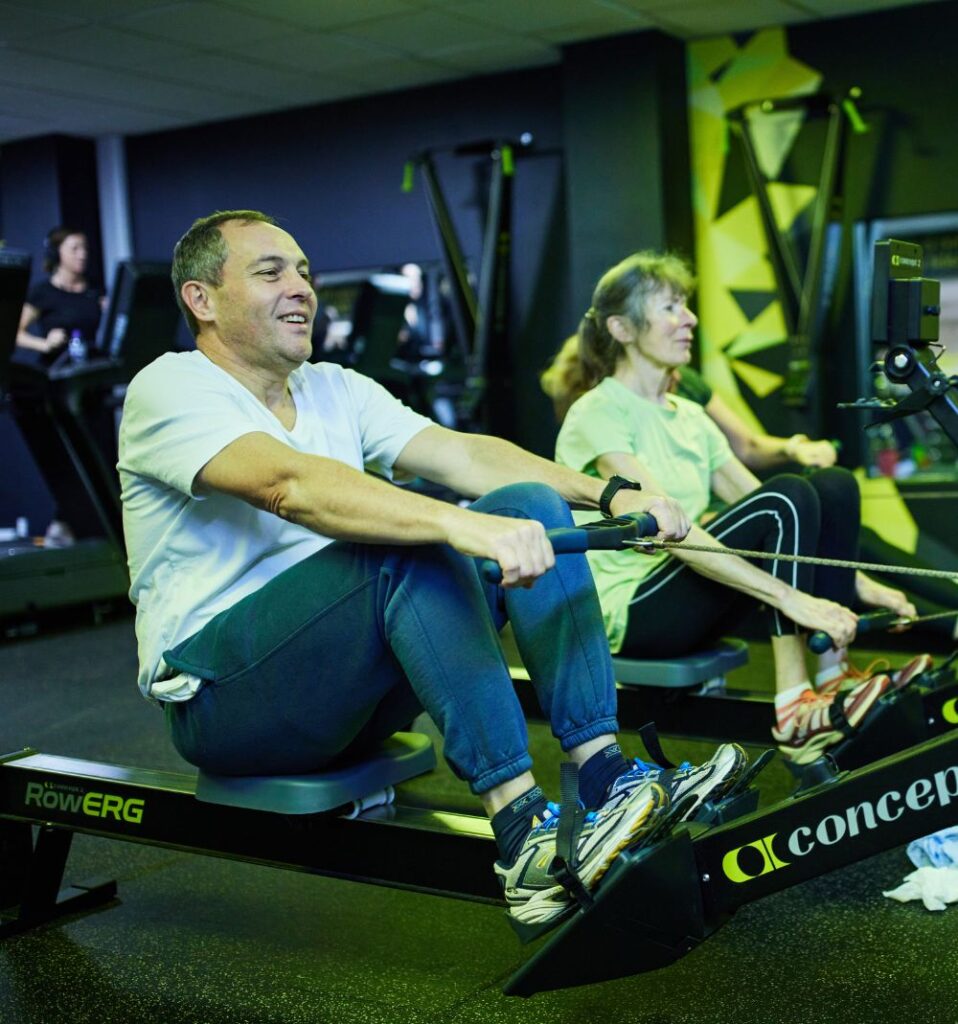
Using the right equipment can make a big difference in improving stamina, as different machines challenge your heart, lungs, and muscles in different ways:
- Treadmills – ideal for steady aerobic sessions, incline walking, and speed work
- Rowers – full-body conditioning that works both the cardiovascular system and major muscle groups
- Stair climbers – excellent for building leg endurance and improving fitness levels
- Spin bikes – high-output cardio that’s easy on the joints
- Functional training zones – well-suited to circuit training, bodyweight exercises, and mixed conditioning workouts
Each type of equipment targets a slightly different aspect of stamina and endurance, helping you build fitness while supporting long-term progression and joint health.
Don’t ignore strength training
To fully improve stamina, you need both cardiovascular endurance and muscular endurance. Strength training, weight training, and resistance training build stronger muscles that can work for longer without fatigue. This reduces the overall effort required during endurance-focused exercises.
Using lighter weights for higher reps helps build muscle endurance, while heavier lifting improves overall muscle strength. Both play an essential role in helping you maintain steady performance throughout longer workouts.
Effective stamina-boosting strength exercises include:
- Push-ups
- Sit-ups
- Squats
- Lunges
- Rows
- Step-ups
Whether you train with weights or body weight, developing muscular endurance makes a noticeable difference in how long you can sustain effort.
Add High-Intensity Interval Training (HIIT)
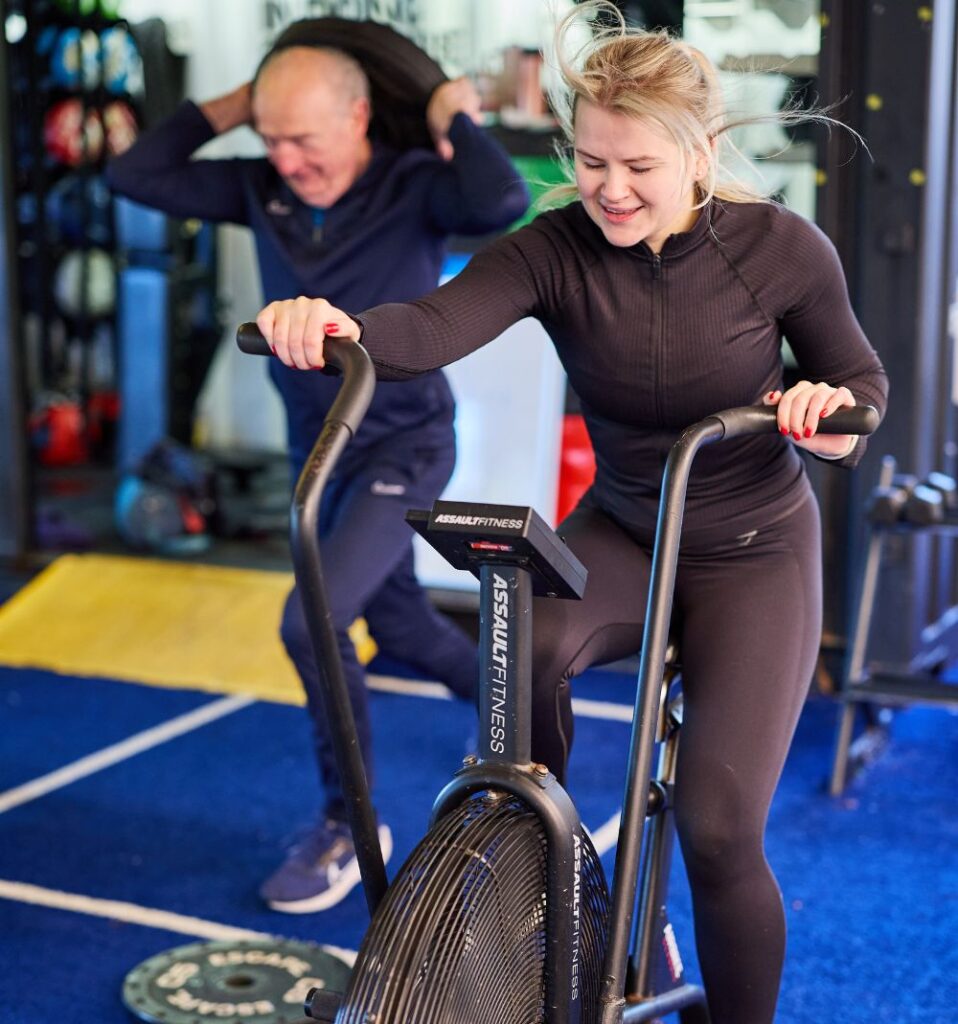
High-intensity interval training and interval training develop stamina quickly by combining short bursts of hard, challenging effort with controlled rest time. Examples include treadmill sprints, rower power intervals, bike sprints, and bodyweight conditioning circuits.
This style of training helps:
- Increase aerobic capacity
- Improve cardiovascular endurance
- Boost recovery speed
- Deliver more energy during workouts
HIIT is highly effective, but it works best when layered on top of a strong aerobic base. If you’re new to HIIT, get expert advice, start with just one short session per week and build up gradually to avoid burnout and reduce your risk of injury.
Prioritise nutrition and stay hydrated
You can’t improve stamina without giving your body the right fuel. Carbohydrates support longer training sessions, protein aids muscle repair, and healthy fats support overall health and body composition.
Hydration is just as important. When you stay hydrated, your body is better able to maintain:
- A stable heart rate
- Body temperature control
- Focus and coordination
Even mild dehydration can lead to early fatigue and slower recovery. Good nutrition and hydration also support mental health and motivation, both of which help you train consistently and build stamina over time.
Incorporate recovery and rest

Stamina develops during recovery, not just during the workout itself. Without proper rest days and controlled rest periods, fatigue can build, and progress can slow.
Follow the principle of progressive overload by gradually increasing:
- Training duration
- Repetitions
- Intensity
- Or slightly reducing your rest time
However, for these changes to lead to better stamina, your body also needs enough sleep, rest, and recovery nutrition. Without this balance, fatigue can build up, and improvements may stall.
Be consistent and track progress
To see real improvements in stamina, consistency is key. Tracking your workouts helps you notice improvements, spot patterns, and identify when to adjust your routine.
Focus on:
- Logging your sessions
- Monitoring how you feel during and after workouts
- Gradually increasing intensity
- Staying regular with your training
Working with a personal trainer can also be helpful, as they can design a programme tailored to your fitness goals, whether that’s improved endurance, fat loss, strength development, or overall performance.
Summary
Building stamina means improving how long your body can work and how quickly it recovers. The most effective way to do this is with a balanced mix of steady aerobic exercise, strength training, and carefully introduced HIIT. Together, these methods boost cardiovascular fitness, increase muscular endurance, and help you train for longer with more confidence and less fatigue.
Consistency, good nutrition, proper hydration, and enough rest are just as important as the workouts themselves. Tracking your progress and making gradual adjustments will help you build stamina steadily over time, making your workouts feel more manageable and helping your overall fitness continue to improve.
Become a gym member at Bluecoat Sports
At Bluecoat Sports, our members benefit from a clean, modern indoor gym and a fantastic outdoor fitness yard, both equipped with state-of-the-art equipment and designed to create a welcoming, supportive environment for every workout.
With flexible membership options and a friendly team on hand to offer support, you can train consistently and see real progress. If you’re ready to improve your stamina, boost your energy levels, and get more from every session, now is the perfect time to join.
Speak to our team for more information about becoming a member, our facilities, and benefits.
Stamina FAQ
How often should I train to improve stamina?
Most people achieve the best results with 3–5 sessions per week that include a mix of endurance, HIIT, and strength training. With consistent effort, many notice improvements in stamina within 4–8 weeks. The key is to stay consistent with your routine and gradually increase the challenge.
Can I improve stamina using only bodyweight exercises?
Yes, you can build stamina with bodyweight training alone. Movements like push-ups, sit-ups, step-ups, and circuit-style workouts effectively improve both cardiovascular and muscular endurance. As long as you keep the intensity up and progress over time, you’ll continue to see improvements.
Is stamina different from endurance?
They’re closely linked, but not exactly the same. Endurance is mainly about your body’s physical ability to keep working over time, while stamina also includes your mental ability to stay focused and push through fatigue when exercise starts to feel tough.